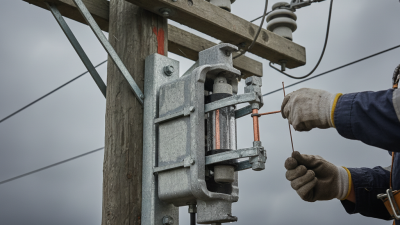
Why Choose a Fuse Cutout Isolator for Your Electrical Needs?
Choosing the right components for electrical systems is crucial for ensuring safety and reliability. The Fuse Cutout Isolator stands out as a preferred choice among professionals in the field. It is designed to protect electrical circuits by interrupting the flow of electricity in case of a fault. This device not only enhances safety but also provides a means to isolate sections of the network for maintenance.
One reason to choose a Fuse Cutout Isolator is its robust construction. These isolators can withstand harsh environmental conditions. Whether it's extreme temperatures or moisture, they perform reliably. Users often report satisfaction with their durability. However, it is essential to assess whether the chosen model fits specific application needs adequately.
The trustworthiness of a Fuse Cutout Isolator comes from its proven track record. Many industry experts advocate for its reliability. Yet, some installations may overlook critical factors like proper sizing or placement. This can lead to inefficiencies or increased risk. Always ensure to consult with qualified professionals during the selection process.

Understanding Fuse Cutout Isolators and Their Functionality
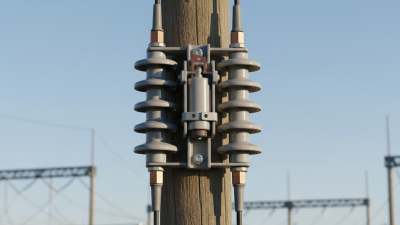
Fuse cutout isolators serve a crucial role in electrical systems. They combine the functions of fuses and isolators, providing both protection and disconnection. When a fault occurs, the fuse element melts, interrupting the current flow. This immediate action protects equipment from damage. The isolator then allows for safe maintenance, ensuring that technicians can work without risk of electric shock.
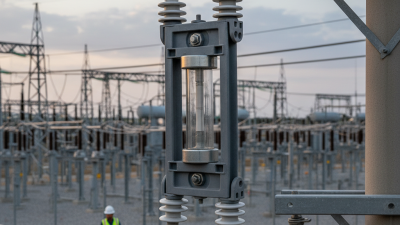
Choosing the right fuse cutout isolator requires understanding their design and functionality. They typically consist of a housing, fuse element, and a mechanism for isolation. The durability of materials used is essential. Over time, wear and tear can compromise performance. Monitoring condition regularly is advisable. Proper installation and maintenance enhance reliability.
In addition, consider environmental factors like temperature and humidity. These can affect the performance of isolators. A thorough risk assessment can guide choices in component selection. Users should regularly check for visual signs of degradation. These proactive steps can lead to more effective electrical management and safety.
Key Advantages of Using Fuse Cutout Isolators in Electrical Systems
Fuse cutout isolators play a crucial role in electrical systems. They offer vital advantages that can enhance safety and efficiency. One key benefit is their ability to interrupt fault currents. This feature protects downstream equipment from damage during overcurrent situations. When a fault occurs, the fuse blows, isolating the problem area swiftly.
Another advantage is the ease of maintenance. Technicians can safely work on electrical systems without shutting down the entire network. This improves uptime and reduces operational disruptions. Fuse cutout isolators also minimize the risk of electrical fires. They contain faults quickly, preventing dangerous situations. However, it's important to select the right specifications for your system.
Reliability is another consideration. High-quality fuse cutout isolators can withstand harsh environments. Factors like humidity and temperature fluctuations must be considered. If ignored, they could lead to failures. Regular inspections and proper installation are also essential. A poorly installed isolator may not provide the expected protection. Balancing these aspects requires thoughtful planning and expertise.
Safety Considerations When Choosing Fuse Cutout Isolators
When selecting fuse cutout isolators, safety should be paramount. These devices play a crucial role in electrical systems, acting as a protective barrier. They disconnect power in case of an overload or short circuit. This feature is vital in preventing accidents and ensuring the integrity of your electrical setup.
Testing and regular maintenance of the isolators are essential. Over time, components may wear down or become less reliable. Routine inspections help identify failures before they become serious issues. Check ratings and specifications to ensure compatibility with your existing system. Not every isolator performs well under all conditions; understanding their limits is key.
Additionally, installation quality directly affects safety. Poorly installed isolators increase the risk of faults occurring. It's important to use appropriate tools and techniques during the installation process. Training staff on proper operation is beneficial. Despite these precautions, occasional mishaps may still happen. Continual learning and improvement in safety practices are necessary in the electrical field.
Comparative Analysis: Fuse Cutout Isolators vs. Traditional Disconnects
When evaluating electrical disconnect solutions, fuse cutout isolators present notable advantages over traditional disconnects. Fuse cutout isolators, designed for high-voltage applications, offer superior reliability and safety. A report by the Institute of Electrical and Electronics Engineers shows that using cutout isolators reduces the risk of electrical faults by up to 30%. Additionally, their compact design allows for easier installation and maintenance in limited spaces.
Traditional disconnects often require more space and may not isolate faults effectively. They can introduce unnecessary complexity into systems, increasing maintenance costs. The same IEEE report indicates that maintenance costs for traditional systems can be up to 25% higher than newer technologies like fuse cutout isolators. This presents a clear impact on long-term operational expenses and system efficiency.
Tip: Always evaluate the total cost of ownership when selecting electrical components. Short-term savings can lead to increased long-term expenses due to maintenance and inefficiencies. Choosing the right isolator ultimately can enhance overall system performance. Stay informed about the latest technological advancements to make the best decision for your needs. Remember, investing in reliable technology now can prevent future issues.
Why Choose a Fuse Cutout Isolator for Your Electrical Needs? - Comparative Analysis: Fuse Cutout Isolators vs. Traditional Disconnects
| Feature |
Fuse Cutout Isolator |
Traditional Disconnect |
| Safety |
High; provides overcurrent protection |
Moderate; manual operation required |
| Maintenance |
Low; infrequent replacement of fuses |
Higher; regular inspections needed |
| Installation Complexity |
Straightforward installation |
Can be complex with additional components |
| Cost |
Cost-effective in the long run |
Higher initial costs |
| Versatility |
Suitable for various applications |
Limited to specific uses |
| Environmental Resistance |
Designed for outdoor and harsh environments |
May require enclosures for protection |
Best Practices for Installing and Maintaining Fuse Cutout Isolators
When installing fuse cutout isolators, attention to detail is crucial. Start by selecting a proper location. Ensure that it's accessible for maintenance and doesn't interfere with surrounding equipment. Use protective gear during installation. Always check for existing power lines nearby. This minimizes the risk of electric shock.
Proper mounting of the isolator is vital. Ensure it’s securely fastened and aligned. Improper installation can lead to failure or accidents. Regular maintenance checks are necessary. Inspect connections for signs of wear or corrosion. This can prevent future issues and ensure safety. Document any findings to track the performance over time. Remember, even minor discrepancies can lead to significant failures.
Educating your team on best practices fosters a safer work environment. Conduct training sessions that cover the importance of safety protocols, installation, and maintenance procedures. Encourage open discussions about experiences and challenges faced during installations. Sharing insights can enhance overall team knowledge and reliability. Continuous improvement should be a part of your installation process.