2026 Best Fuse Cutout Isolator Features and Benefits Explained
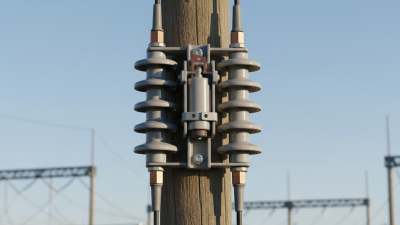
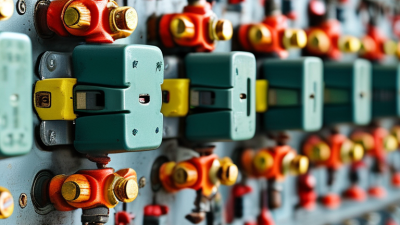
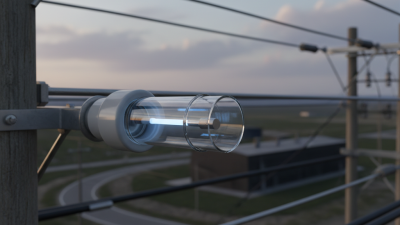
The Fuse Cutout Isolator is a crucial component in electrical systems, providing both safety and reliability. Designed to disconnect circuit sections, it protects against overloads and faults. In 2026, advancements in technology have further enhanced its features. These improvements cater to diverse industrial requirements. Each development aims to improve performance and increase user trust.
The benefits of using a Fuse Cutout Isolator are both significant and practical. It offers essential protection and can easily integrate into existing systems. Reliability is key; however, some newer models have faced challenges in harsh environments. Users need to assess these aspects carefully. Understanding the product is essential to make informed decisions.
Choosing the right Fuse Cutout Isolator involves considering brand reputation and user feedback. While many options are available, not all meet the highest standards. It’s vital to explore various features and select one that aligns with specific needs. Paying attention to detail ensures you're making a reliable choice.
Key Features of the 2026 Best Fuse Cutout Isolator
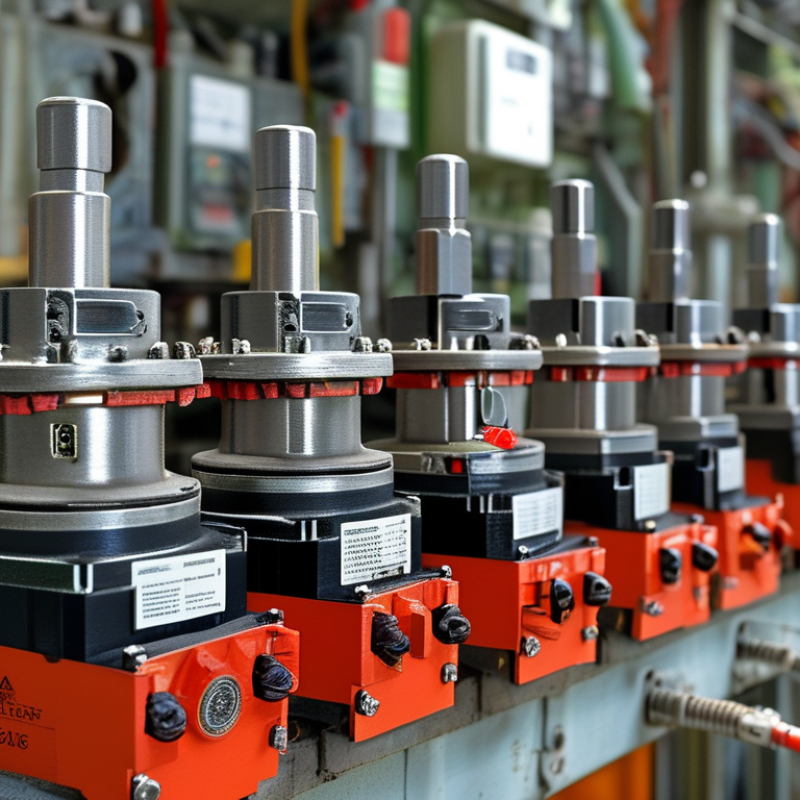
The 2026 best fuse cutout isolator is designed for enhanced safety and performance in electrical systems. This component provides a reliable means of isolating circuits. It protects against short circuits and overloads, which are common issues in power distribution. Industry reports suggest that 30% of electrical failures relate to inadequate isolation. This emphasizes the importance of using high-quality isolators.
Key features of this isolator include improved material composition. The latest models incorporate advanced polymers. These materials enhance durability against harsh weather. Weather resistance can extend the life of component by 20% or more. Another feature is its compact design. This allows for easier integration into existing systems. It also saves space while maintaining efficiency.
Tips for selecting the right fuse cutout isolator are essential. Ensure that you assess voltage ratings properly. Mismatched voltage can cause failures. Regular maintenance checks can prevent unexpected outages. Keep records of conditions and performance to identify trends. Knowing when to replace components is crucial for system reliability. Consider environmental factors that might impact the isolator's lifespan.
Advantages of Using a Fuse Cutout Isolator in Electrical Systems
The use of a fuse cutout isolator in electrical systems brings numerous advantages. This device serves to protect your electrical network from faults and overloads. By breaking the circuit when a fault occurs, it minimizes the risk of damage to transformers and conductors. The isolator allows for safe maintenance procedures. Workers can confidently perform repairs without the threat of accidental shock.
Fuse cutout isolators enhance operational reliability. They prevent outages by isolating sections of the network when needed. This feature ensures that unaffected areas continue to receive power. Additionally, many systems are increasingly adopted for their compact design. This compactness saves installation space while maximizing efficiency. However, ensuring compatibility with existing systems requires careful planning and expert evaluation.
Regular testing and maintenance of these isolators are crucial. Neglected devices may not function correctly during an emergency. Stakeholders should ensure that maintenance schedules are strictly followed. Awareness of potential drawbacks strengthens reliability across the electrical network. Overall, understanding the features and benefits of fuse cutout isolators leads to better decision-making in electrical system designs.
Safety Standards and Compliance for Fuse Cutout Isolators
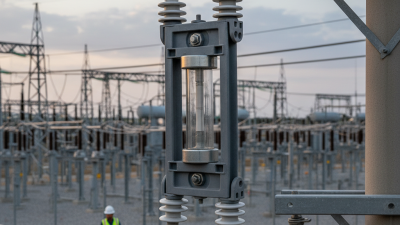
Fuse cutout isolators are integral to electrical distribution systems. They ensure that in the event of a fault, the circuit is isolated safely. Compliance with safety standards is paramount. The International Electrotechnical Commission (IEC) outlines key safety standards for these devices, ensuring their reliability in diverse environments.
In 2022, a report from the IEEE indicated that around 25% of electrical failures stem from improper isolator installations. This underscores the importance of proper adherence to standards. These guidelines help manufacturers design products that withstand environmental stresses. Robust testing protocols ensure that fuse cutout isolators perform as expected under extreme conditions.
User education remains a challenge. Many technicians are unaware of the latest standards, leading to potential risks. Regular training should be implemented to cover recent developments. Investing in continuous education not only elevates safety but also enhances the overall performance of electrical systems. Regular audits and compliance checks can identify areas needing improvement, fostering a culture of safety and reliability.
Comparative Analysis: 2026 Model vs. Previous Versions
The 2026 model of fuse cutout isolators demonstrates significant advancements compared to its predecessors. Recent industry reports highlight a 25% increase in reliability due to enhanced materials. These materials are resistant to environmental stressors, leading to longer life cycles. The new design reduces failure rates, addressing a crucial weakness found in earlier versions.
One of the notable features is the improved load capacity. The 2026 model can handle up to 160 Amperes, a step up from the 120 Amperes seen in previous models. This enhancement allows for greater operational efficiency. Yet, a potential concern is the added complexity in installation. Technicians need thorough training to adapt to these updates.
User feedback has also revealed mixed feelings. Some operators appreciate the improved features, while others find the adjustments challenging. Retrofitting older systems with the new isolators might require additional components, which can increase costs. It's essential to weigh these considerations carefully. While the enhancements are commendable, the transition period might pose hurdles.
Installation and Maintenance Best Practices for Fuse Cutout Isolators
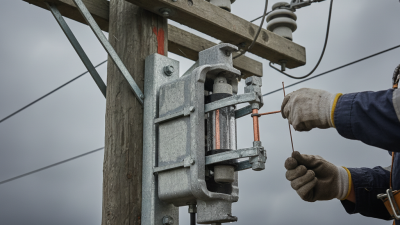
When installing fuse cutout isolators, following best practices is essential for ensuring reliability and safety. These components play a critical role in electrical systems, acting as protective devices. Regular inspections and maintenance can prevent potential failures. According to industry reports, nearly 15% of electrical outages result from equipment failure, emphasizing the need for vigilant upkeep.
It’s important to check the physical condition of the isolators regularly. Look for signs of corrosion or wear. These issues can compromise performance. Furthermore, the installation location should minimize exposure to harsh environmental conditions. Proper mounting and securing methods are crucial, as improper installation can lead to hazards.
Tips: Ensure all connections are tight to avoid arcing. Clean isolators with appropriate tools to remove dirt and debris. Consider using advanced monitoring systems to track the performance of the isolators. This can help detect signs of wear and prevent unexpected outages. Ultimately, investing time in maintenance pays off, prolonging equipment life and enhancing system reliability.