Ceramic Isolator manufacturers support the networks that carry electricity across long distances and withstand demanding substation conditions. Their products must resist electrical stress, weathering, pollution, and mechanical loads. Small defects matter. A chipped glaze or poorly controlled firing can affect long-term reliability.
The scale of grid expansion makes supplier quality increasingly important. The International Energy Agency’s 2023 report, Electricity Grids and Secure Energy Transitions, says annual grid investment needs to rise from about USD 300 billion to more than USD 600 billion by 2030 in a pathway aligned with national climate goals. IRENA’s Renewable Capacity Statistics 2024 reports that global renewable power capacity grew by 473 gigawatts in 2023. These figures do not measure ceramic-insulator demand directly. They do show the infrastructure pressures shaping procurement.
This overview of the top 10 Ceramic Isolator manufacturers worldwide considers product range, manufacturing capability, quality systems, and experience across utility and industrial applications. Relevant technical references include IEC 60383 for overhead-line insulators and IEC 60168 for ceramic or glass post insulators. Buyers should still verify each product’s test reports, voltage rating, operating environment, and delivery capacity. Rankings can simplify a complex market. They cannot replace a site-specific engineering review, and published company information may not reveal every production constraint.
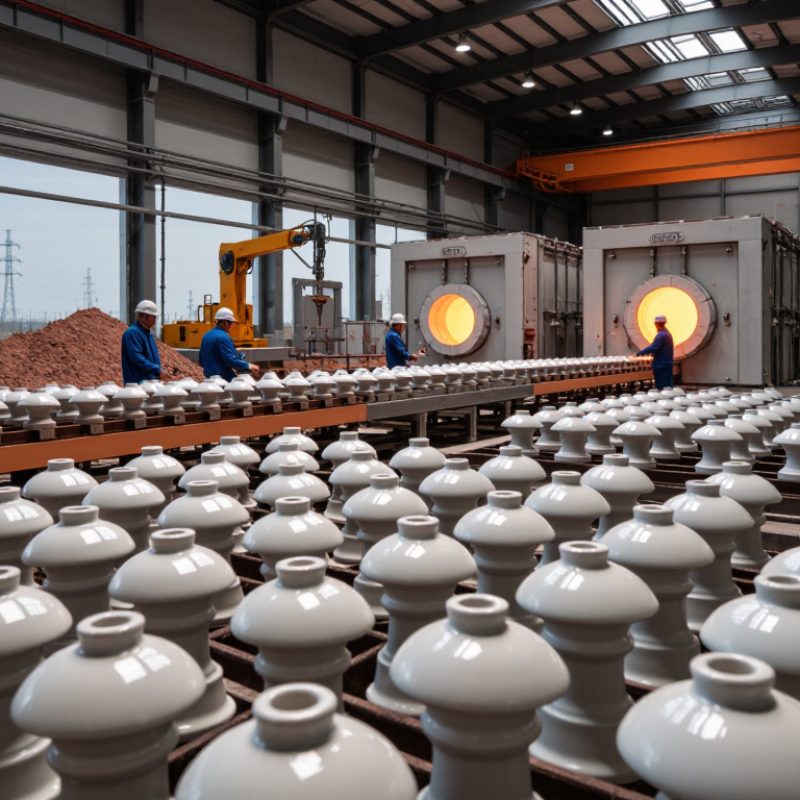
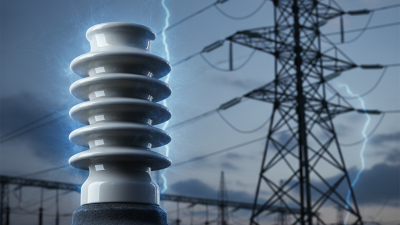
Ceramic insulators combine electrical resistance with the strength needed to support conductors or separate live components from enclosures. Common materials include porcelain, steatite, and alumina. Porcelain is widely used in outdoor hardware, where a glazed surface helps shed moisture and dirt. Steatite suits many compact components, while alumina is selected when high strength and heat resistance matter. No material is best for every job.
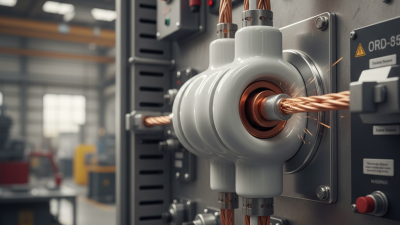
Shape matters too. Pin and post insulators support conductors; bushings and feedthroughs guide them through a wall or housing. IEC 60672 gives a framework for classifying ceramic and glass insulating materials, with related parts addressing test methods and material specifications. It classifies materials, not every finished insulator design. That distinction is easy to miss. When comparing data, check the stated material designation alongside dimensions, operating temperature, electrical conditions, and mechanical loading. A classification alone cannot predict performance in a particular installation. Dust, moisture, thermal cycling, and mounting stress can change what matters most. Datasheets may not capture every site condition, so selection still calls for careful engineering judgment.
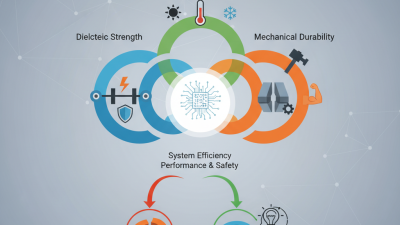
When comparing the top 10 ceramic isolator manufacturers worldwide, treat stated capacity as a question, not a ranking. Ask for annual output by product type, current utilization, and typical lead time. A factory may produce millions of small units but have limited capacity for large, high-voltage designs. Check whether reported figures include finished, tested products or merely production-line capacity. The difference matters.
Certifications and test records need equal scrutiny. Confirm that certificates cover the actual manufacturing site and relevant product scope; request routine and type-test reports, with test dates and applicable IEC standards.
Product data should let engineers compare like with like: rated voltage, creepage distance, mechanical strength, dimensions, tolerances, and performance under pollution or temperature conditions. Request drawings and traceability details alongside datasheets. Small inconsistencies can cause big delays. One caveat: supplier-reported figures are not always independently audited, so verify critical claims through sample inspections or third-party test records. A polished brochure is useful, but it is not evidence.
A useful comparison of the top ten ceramic insulator manufacturers starts with product coverage, not catalogue size. Check whether each supplier makes pin, suspension, line-post, station-post, and hollow-core insulators. Then compare voltage classes, mechanical load ratings, creepage distances, and available fittings. Range matters. A broad catalogue may still lack the exact profile or mounting hardware a project needs. Ask for test certificates and application-specific drawings, and compare products against relevant requirements such as IEC 60383-1 for ceramic or glass overhead-line insulators above 1,000 volts.
The market context is expanding. The International Energy Agency’s 2023 report, Electricity Grids and Secure Energy Transitions, says annual grid investment needs to rise from about USD 300 billion to more than USD 600 billion by 2030. That pressure makes dependable supply across transmission, distribution, and substation applications increasingly important. Still, product breadth alone does not prove quality. Review dimensional tolerances, glaze condition, routine-test records, and consistency between sample units and production batches. Small details count. A cracked glaze or mismatched fitting can complicate installation, even when the headline voltage rating looks suitable.
The table summarizes ten common ceramic-insulator product families found across the global market. Company names and brands are omitted; these are product categories, not a verified ranking of manufacturers.
| No. | Ceramic product family | Common product forms | Typical applications | Product-range considerations |
|---|---|---|---|---|
| 1 | Pin insulators | Single-piece porcelain units with a conductor groove and mounting thread | Overhead distribution lines, commonly on crossarms or poles | Designs vary by electrical rating, head style, mounting thread, and creepage distance. |
| 2 | Suspension disc insulators | Porcelain discs assembled into strings using metal fittings | Overhead transmission and distribution lines | Strings can be configured with different disc counts and mechanical ratings. |
| 3 | Long-rod insulators | One-piece porcelain rods with sheds and end fittings | Overhead line insulation and tension applications | Available configurations differ in length, shed profile, creepage distance, and fitting arrangement. |
| 4 | Line-post insulators | Rigid post units for line conductors, with base and top fittings | Distribution and transmission line structures | Ranges may include different mounting interfaces, cantilever strengths, and insulation levels. |
| 5 | Station-post insulators | Stackable or single-unit porcelain posts with metal end fittings | Substations, bus supports, and electrical switchgear | Selection depends on system voltage, mechanical loading, mounting, and environmental conditions. |
| 6 | Hollow-core insulators | Hollow porcelain cylinders or shells with sheds and end flanges | High-voltage apparatus, including circuit breakers and instrument transformers | Dimensions, flange interfaces, and pressure or mechanical requirements are equipment-specific. |
| 7 | Porcelain bushings | Solid or hollow porcelain bodies, sometimes with internal insulation systems | Transformers, switchgear, and other equipment where a conductor passes through a grounded barrier | Product options vary by voltage class, current rating, mounting, and application. |
| 8 | Railway insulators | Porcelain support and suspension components in application-specific forms | Railway electrification and overhead contact-line systems | Designs are matched to railway hardware, loading, clearance, and local operating conditions. |
| 9 | Spool and shackle insulators | Compact porcelain shapes with grooves or mounting holes | Low-voltage distribution, service connections, and line hardware | Compact formats suit different attachment methods and conductor arrangements. |
| 10 | Porcelain-housed surge arresters | Porcelain outer housings containing surge-protection elements | Power systems and substations requiring protection against transient overvoltages | Ratings and terminal arrangements depend on the system and protection application. |
For ceramic insulators used on overhead lines, IEC 60383 testing helps assess whether a product can withstand specified electrical and mechanical stresses. Electrical tests may include power-frequency and impulse withstand checks, depending on the insulator type and applicable standard requirements. Test conditions matter: wetting, electrode placement, and applied voltage can affect results. Small details matter.
Mechanical testing examines load capacity and failure behavior. A failing-load test can reveal whether an insulator withstands the required force, while visual inspection may expose cracks or glaze defects. Dimensions are checked against drawings and stated tolerances, including key features such as pin openings, mounting surfaces, and overall length. A small mismatch can complicate assembly in the field.
For manufacturers, consistent test records support more dependable quality control and make comparisons between products clearer. Buyers should review the standard edition, sample details, test conditions, and acceptance criteria—not just a pass certificate. A laboratory result cannot reproduce every installation condition, and that limitation is easy to overlook. I would also ask how production batches are monitored; a polished report alone does not show whether every unit receives equal attention.
IEC 60383 evaluation domains: electrical, mechanical, and dimensional performance.
This chart is a scope overview, not a manufacturer ranking or test-result comparison. Each 100% bar indicates that the domain is addressed; it is not a performance score. Applicable test requirements and acceptance values depend on the insulator type and rating.
The International Energy Agency reports that global electricity demand grew 4.3% in 2024, while grid needs also rose. That growth puts pressure on transmission lines, substations, and the equipment connecting them. Ceramic insulators help separate energized conductors from grounded structures, even through rain, dust, and temperature changes. The margin is thin. A small crack or contaminated surface can weaken performance, so visual checks and careful maintenance remain important.
For utilities comparing ceramic insulator manufacturers, specifications matter more than a headline ranking. Voltage rating, mechanical load, creepage distance, and performance in local pollution conditions all deserve attention. A coastal substation faces salt spray; a dry inland corridor may face dust and sharp temperature swings. Details matter. Expanding generation alone will not resolve every constraint: transformers, permitting, skilled crews, and aging lines can also slow projects. And demand does not rise evenly everywhere. A single annual figure can hide regional peaks and different investment timelines. Ceramic components are one part of a much larger reliability challenge, and procurement decisions should reflect actual operating conditions rather than assumptions.