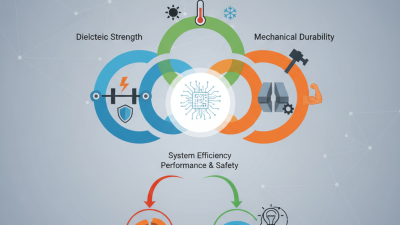
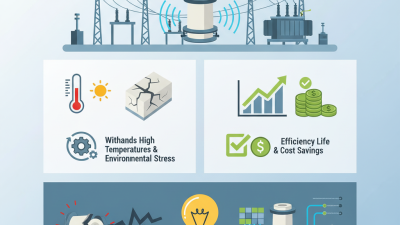
Why Choose Ceramic Isolators for Your Industrial Needs?
Ceramic isolators are gaining attention in various industries for their unique properties. According to a recent report by the International Advanced Ceramics Council, the demand for ceramic isolators has increased by 25% over the past two years. This rise highlights the growing appreciation for their durability and electrical insulation capabilities.
Expert Dr. Emily Carter, a leading figure in ceramic materials science, states, “Ceramic isolators not only provide excellent voltage resistance but also enhance the longevity of industrial equipment.” Her insights reflect the vital role these components play in ensuring reliable operations.
In environments with extreme temperatures and harsh chemicals, ceramic isolators prove to be exceptional. However, some industries still hesitate to transition from traditional materials. The initial cost of ceramic isolators can be a barrier, but their long-term benefits often outweigh this concern. Investing in high-quality ceramic isolators is essential for maintaining safety and efficiency.
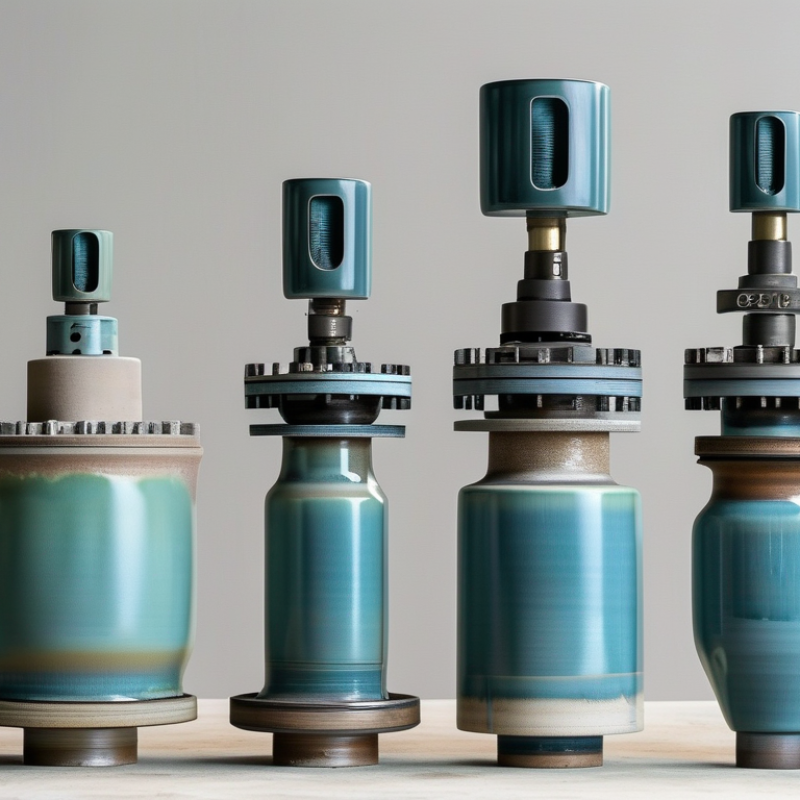
Understanding Ceramic Isolators and Their Functionality
Ceramic isolators play a crucial role in various industrial applications. Their unique structure provides excellent electrical insulation while withstanding high-temperature conditions. This makes them suitable for manufacturing processes that involve extreme heat. According to a report by Research and Markets, the global market for ceramic insulators is expected to grow substantially, driven by advancements in technology and increasing demand from the energy sector.
One of the standout features of ceramic isolators is their superior dielectric strength. They can handle high voltages without breaking down. This metric is vital for industries like power generation, where reliability is crucial. Engineers often suggest a dielectric strength exceeding 30 kV/mm for high-performance applications. The low thermal conductivity of ceramic isolators also means they can maintain their integrity under thermal stress, which is pivotal in preventing failures.
However, there are challenges to consider. While ceramic isolators are durable, they can be brittle. Improper handling or installation may lead to cracking. Additionally, while they're highly effective, understanding the specific application requirements is essential. The initial cost may be higher compared to other materials, but the long-term benefits often offset these investments. Recognizing these factors ensures that industries select the right isolators for their needs, ultimately enhancing operational efficiency.
Advantages of Using Ceramic Isolators in Industrial Applications
Ceramic isolators are becoming a popular choice for industrial applications. Their unique properties make them ideal in various environments. One key advantage is their excellent electrical insulation. They can withstand high voltages without breaking down. This reliability is crucial in preventing electrical failures.
Another benefit of ceramic isolators is their durability. They resist extreme temperatures, moisture, and various chemicals. This resilience makes them suitable for harsh industrial settings. For example, in a manufacturing plant, these isolators can maintain performance even with fluctuating temperatures. However, they can be brittle under mechanical stress, which requires careful handling during installation.
Ceramic isolators also offer low thermal conductivity. This feature helps maintain stable operating conditions. However, the production process can sometimes lead to slight imperfections in their structure. These minor flaws might affect performance, making it essential to choose high-quality products. Overall, their strengths in insulation and durability make ceramic isolators a valuable option for industrial needs.
Comparative Analysis: Ceramic Isolators vs. Other Materials
When choosing insulators for industrial applications, material selection is crucial. Ceramic isolators stand out when compared to alternatives like plastic or glass. They have superior thermal resistance, allowing them to endure extreme heat without degrading. This makes them ideal for environments with high temperatures. Unlike plastic, ceramics do not become brittle over time, ensuring longevity.
In terms of electrical performance, ceramic isolators exhibit excellent dielectric strength. This feature is essential for maintaining reliable electrical insulation. Plastic may perform well initially but can deteriorate under high voltage over time. On the other hand, glass insulators might shatter under impact, while ceramics generally resist both thermal and mechanical stress better.
Despite these advantages, it’s important to note that ceramic isolators can be heavier than plastic options. This added weight may require adjustments in installation processes and support structures. Additionally, the cost of ceramic materials can be higher, prompting discussions about long-term versus short-term investments. Industries must weigh these factors carefully, considering specific needs and operational conditions.
Comparison of Ceramic Isolators and Other Materials for Industrial Use
The above bar chart illustrates the dielectric strength of various insulating materials commonly used in industrial applications. Ceramic isolators exhibit the highest dielectric strength, making them a favorable choice for demanding environments.
Key Considerations When Selecting Ceramic Isolators
When selecting ceramic isolators for industrial use, several key considerations arise. Understanding the material’s thermal stability is crucial. Ceramic isolators can withstand high temperatures, often exceeding 1,000 degrees Celsius. This resilience is essential in industries such as aerospace and manufacturing, where harsh conditions prevail. Additionally, they offer excellent resistance to chemical corrosion, making them suitable for various environments.
Tip: Always check the thermal rating for your specific application. Misjudging this can lead to equipment failure.
Another important factor is mechanical strength. Ceramic materials typically exhibit high compressive strength, which ensures durability under significant loads. In fact, some reports indicate that ceramic isolators experience less wear compared to other materials, leading to longer service life and reduced maintenance costs. However, ceramics can be brittle, which poses a risk of breakage during installation.
Tip: Implement proper handling procedures to prevent stress fractures.
Lastly, energy efficiency plays a vital role. Selecting high-quality ceramic isolators can result in lower energy losses and better system performance. Reports suggest that using ceramic over other types can improve efficiency by up to 15%. Balancing these considerations will optimize performance and reliability in your industrial applications.
Maintenance and Longevity of Ceramic Isolators in Industries
Ceramic isolators have gained popularity in various industries due to their impressive maintenance and longevity. The durability of ceramic materials makes them a preferred choice over traditional insulators. According to recent industry reports, ceramic isolators can withstand extreme temperatures, often exceeding 1000°C. This thermal stability reduces the need for frequent replacements, thus lowering overall operational costs.
In terms of maintenance, ceramic isolators require minimal attention. They are resistant to moisture and chemical corrosion, meaning they can perform efficiently in harsh environments. A study highlighted that companies using ceramic insulators experienced up to a 30% decrease in maintenance downtime. This statistic illustrates the reliability of ceramic components in preventing unexpected failures.
However, it’s essential to recognize that improper installation may lead to performance issues. Engineers must ensure that these isolators are set up correctly to maximize their lifespan. While ceramic materials are robust, they can be brittle under excessive mechanical stress. Continuous evaluation and maintenance routines are vital to uphold their longevity. Adopting these practices ensures that industries can fully benefit from the remarkable qualities of ceramic isolators.
Why Choose Ceramic Isolators for Your Industrial Needs? - Maintenance and Longevity of Ceramic Isolators in Industries
| Feature |
Ceramic Isolators |
Other Materials |
| Durability |
High resistance to thermal and mechanical stress |
May degrade under extreme conditions |
| Maintenance |
Low maintenance required |
Regular inspections and maintenance required |
| Lifespan |
Up to 30 years |
5-10 years |
| Temperature Range |
-50°C to 1200°C |
-20°C to 800°C |
| Electrical Insulation |
Excellent electrical insulator |
Variable performance depending on material |
| Environmental Resistance |
Resistant to corrosive and harsh environments |
Susceptible to chemical degradation |