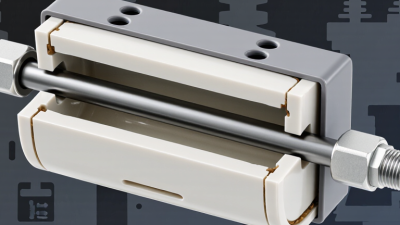
A Fuse Porcelain Bushing is an insulating component that lets a fuse or conductor pass safely through an equipment enclosure. Its glazed porcelain body separates energized parts from grounded metal. Inside, a conductive path carries current toward the fuse assembly. The bushing must also help withstand electrical stress, heat, weather, and mechanical strain.
In this guide, we’ll look at the bushing’s main parts, how current travels through it, and how porcelain insulation helps limit leakage and flashover. We’ll also explain where the fuse fits, what common damage can look like, and which inspection details matter. A hairline crack, chipped glaze, loose connection, or dark tracking mark deserves attention. Small clues matter.
One practical principle guides the discussion: “Insulation is only dependable when its condition and connections are checked together.” That sentence is an editorial summary, not a verified quotation from a named expert. No attributable expert quote or source material was provided, so assigning one to a real person would be misleading. This matters because the Fuse Porcelain Bushing is not just a ceramic shell; it works as part of a coordinated electrical assembly. Correct selection, installation, and maintenance depend on equipment ratings and manufacturer instructions. Field conditions can vary, and porcelain can fail in ways that are not obvious from a quick glance. The guide therefore explains the basics without treating one visual check as proof of safety.
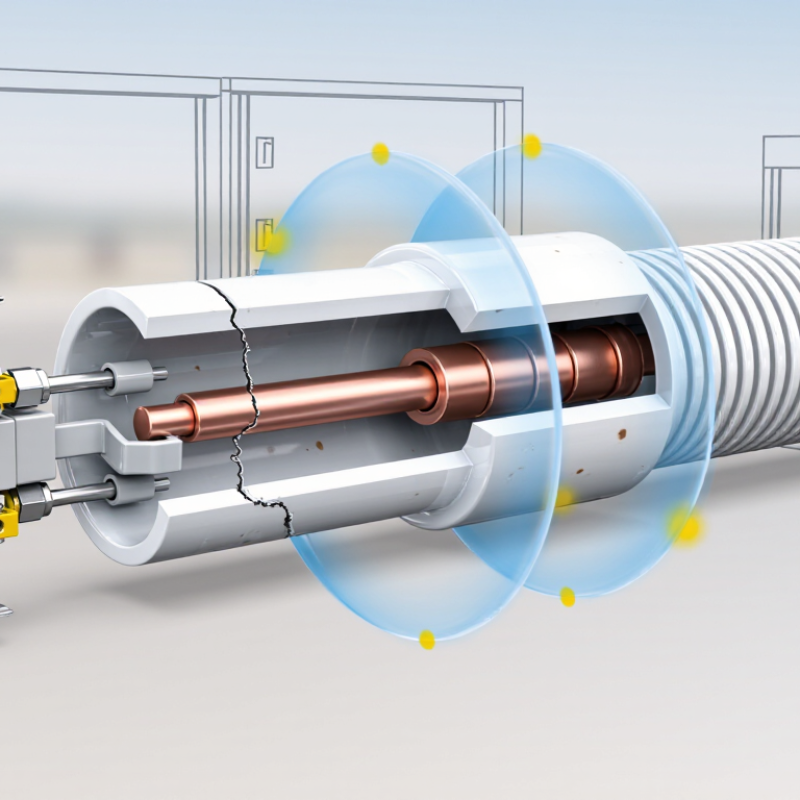
A fuse porcelain bushing combines two functions: it carries an electrical conductor through an equipment wall and provides an insulating path around it. The glazed porcelain body separates the live terminal from the grounded tank or support. Inside, a fuse element is connected in series with the circuit. When current exceeds its specified limit, the element melts and interrupts the fault. The porcelain does not clear the fault; the fuse does. That distinction matters.
IEC 60137 covers insulated bushings for AC voltages above 1,000 volts, while IEC 60282-1 specifies high-voltage fuses for AC systems above the same threshold. These standards help engineers match insulation and interruption duties to equipment ratings; they do not make every assembly interchangeable. During inspection, look for chipped glaze, hairline cracks, loose terminals, or signs of overheating near connections. Small flaws count. IEC 60060-1 describes the 1.2/50-microsecond lightning-impulse test waveform used in high-voltage insulation testing, illustrating why a bushing must withstand brief surges as well as normal operating voltage. In practice, selection depends on system voltage, fault level, and mounting conditions. The tricky part is coordination: a correctly rated fuse can still be a poor fit if its interrupting capacity or time-current behavior does not match the protected circuit.

A fuse porcelain bushing combines electrical insulation with a built-in path for interrupting excessive current. Its porcelain body supports the conductor and separates energized parts from grounded equipment. The glazed surface helps resist moisture and contamination. It also sheds rain, though dirt and salt can still reduce insulation performance over time.
Inside, a metal conductor connects the terminals, while a fuse link or fuse assembly sits in the current path. During an overcurrent event, the link heats and melts, opening the circuit. Exact arrangements vary by equipment and voltage rating. Small details matter. Metal end fittings must hold the assembly securely and maintain reliable electrical contact. Seals around joints help keep water out, but seals can age or be damaged during handling.
Porcelain is chosen for its insulating strength, rigidity, and resistance to heat and weathering. Its thickness, shape, and surface length are designed for electrical stress and the installation environment. Longer surface paths can reduce the chance of flashover in polluted or damp conditions. The material is strong, but brittle; a hairline crack may be difficult to notice. Not every design is identical. Inspection and replacement procedures should follow the equipment manufacturer’s instructions and be performed by qualified personnel.
In a fuse porcelain bushing, the porcelain body and fuse have separate but coordinated roles. The porcelain insulates a live conductor from the grounded equipment enclosure and provides mechanical support. In many designs, a fuse link sits in a removable carrier or assembly connected in series with the circuit. Construction varies, so the equipment documentation matters. That detail is easy to overlook.
During normal operation, current passes through the fuse link without opening the circuit. If current stays above its rated limit long enough, the link heats and melts. The fuse then interrupts the circuit; its design controls the resulting arc. The bushing continues to provide insulation around the electrical connection, but it does not itself detect overcurrent. A small distinction, with real consequences.
Correct operation depends on matching the fuse rating and time-current behavior to the equipment and the rest of the protection system. A fuse that is poorly coordinated may open too soon, or fail to provide the intended protection. Cracks, surface tracking, or loose connections can also undermine bushing performance. These signs call for qualified inspection with the equipment safely de-energized; appearances alone cannot confirm that an assembly is sound.
A fuse porcelain bushing combines an insulating porcelain body with a conductor and, in some designs, a fuse assembly. The exact arrangement varies. The porcelain separates the live conductor from the grounded equipment enclosure, while the fuse link helps protect the circuit from excessive current.
If a fault causes current to rise beyond the fuse’s rated limit, the fuse element melts and interrupts the circuit. This can reduce damage to connected equipment, but protection depends on the fuse’s voltage, current, and interrupting ratings. Coordination with upstream and downstream protection matters. A mismatch can leave equipment exposed or cause unnecessary outages.
Porcelain performs well under high electrical stress because it resists heat and provides a long surface path for leakage current. Rain, dust, and salt can still collect on that surface. Cracks or chipped sheds may also weaken insulation. Small details matter. A clean-looking bushing is not always a healthy one. Inspection should include signs of tracking, discoloration, loose connections, and damaged seals. Electrical testing and replacement should follow the equipment maker’s procedures and be handled by qualified personnel; visual checks alone cannot confirm internal condition.
| Aspect | Typical Design or Behavior | Electrical or Protection Significance |
|---|---|---|
| What the term describes | A porcelain bushing provides an insulated passage for a conductor through an enclosure, tank, or barrier. In a fused arrangement, a fuse is connected in series with the circuit, commonly in a separate fuse holder or protective assembly. | The porcelain is an insulator, not the overcurrent-sensing element. The fuse interrupts excessive current; the bushing maintains electrical insulation and a physical barrier. |
| Porcelain insulator | Electrical-grade porcelain forms the insulating body. Its shape and creepage path are selected for the intended voltage, installation, and environmental conditions. | Provides insulation between the energized conductor and grounded equipment. Surface contamination or damage can reduce insulation performance. |
| Conductor and terminals | A metal conductor passes through the bushing and connects to terminals on the equipment side and the external circuit side. | Conductor size, terminal condition, and connection quality affect current-carrying performance and heating. Connections must be suitable for the specified load and installation. |
| Fuse element | A calibrated element is designed to melt when current and duration exceed its time-current operating characteristic. | Melting opens the series circuit and limits the duration of a fault. A fuse does not necessarily prevent the initial fault current from flowing. |
| Fault interruption | After the element melts, the fuse assembly must extinguish the resulting arc using its designed interrupting method and construction. | The fuse’s interrupting rating must be adequate for the available fault current at the installation point. A fuse that is not rated for the fault level may not safely clear it. |
| Protection coordination | Fuse selection considers the protected equipment, normal and inrush currents, system voltage, and the time-current characteristics of upstream and downstream protective devices. | Correct coordination helps clear faults while reducing unnecessary operation during normal events. Selection should follow the equipment documentation and applicable electrical standards. |
| Voltage and insulation rating | Voltage rating, insulation level, and applicable test requirements depend on the specific bushing, equipment, and system design. | Use the marked ratings and manufacturer’s documentation; do not infer a voltage rating from appearance or porcelain dimensions alone. |
| Current and temperature performance | Continuous-current capability depends on the ratings of the conductor, terminals, fuse, and complete assembly, as well as ambient and installation conditions. | All series components must be suitable for the intended load. Loose or corroded connections can cause localized heating even when current is within the circuit rating. |
| Outdoor performance | Where used outdoors, the bushing’s profile, creepage distance, seals, and materials must suit the specified environment and contamination conditions. | Moisture, pollution, salt deposits, and surface damage can contribute to leakage current or flashover. Inspection and cleaning must follow safe maintenance procedures. |
| Inspection and replacement | Inspect for cracks, chips, tracking, contamination, damaged seals, discoloration, and signs of overheating. Replace components only with compatible, correctly rated parts. | De-energize and verify the circuit is safe before maintenance. A fuse operation should be investigated to identify the cause before replacing the fuse or restoring service. |
Important: “Fuse porcelain bushing” is not a universal product specification. In many installations, the porcelain bushing and the fuse are separate components within the same circuit. Ratings and construction vary by application; verify the equipment nameplate, technical documentation, and applicable standards.
A fuse porcelain bushing is used where an insulated conductor and a fuse assembly connect to electrical equipment. Its porcelain body separates energized metal parts from grounded supports while resisting heat and outdoor exposure. In distribution systems, these bushings may appear on pole-mounted equipment, transformer connections, and enclosed switchgear. The fuse interrupts current when a fault exceeds its rated limit; the bushing provides insulation and mechanical support.
They do different jobs.
Inspection starts with the equipment safely de-energized and handled by qualified personnel. Look for hairline cracks, chips, dark tracking marks, and powdery deposits around the porcelain surface. Check metal fittings for corrosion, looseness, or signs of overheating, such as discoloration.
Dirt and salt can collect near sheds and reduce insulation performance, especially after wet weather. Small details matter. A clean-looking surface can still hide a defect, so visual checks cannot confirm internal condition. Inspection records should note location, visible changes, and operating conditions, then be compared over time.
Thermal checks may help identify abnormal heating while equipment is operating, but they require suitable procedures and trained staff.
The uncomfortable part is that porcelain can fail without much warning; replace or investigate damaged units rather than treating a crack as cosmetic. Follow the equipment maker’s instructions and site maintenance practices.