A Fuse Porcelain Bushing is a compact but critical insulation component. It allows a live conductor to pass safely through a grounded fuse body, enclosure, or support structure. Its porcelain shell provides mechanical strength and electrical insulation. Its metal terminals maintain a reliable current path.
The design looks simple. It is not.
John J. Winders Jr., author of Power Transformers: Principles and Applications, describes the bushing function in practical terms: “A bushing permits a conductor to pass through a grounded barrier while remaining insulated from it.” This principle explains the component’s value. A damaged surface can invite moisture, tracking, and eventual flashover.
IEC 60137:2017 defines performance and testing requirements for high-voltage bushings above 1,000 volts. These requirements address insulation, temperature rise, dielectric strength, and mechanical performance. CIGRE Technical Brochure 642, Transformer Reliability Survey, also identifies bushings among important contributors to transformer-related failures. However, public reports rarely isolate Fuse Porcelain Bushing failures as a separate category. That limitation matters.
Field experience fills part of the gap. Technicians often inspect chips near the cement joint, carbon marks around terminals, and discoloration after heavy fault duty. A clean surface is not proof of full reliability. Internal moisture may remain invisible.
This guide examines the structure, operating principle, failure risks, testing methods, and maintenance practices of a Fuse Porcelain Bushing. It also questions a common assumption: porcelain is durable, but durability depends on installation, sealing, loading, and inspection quality.
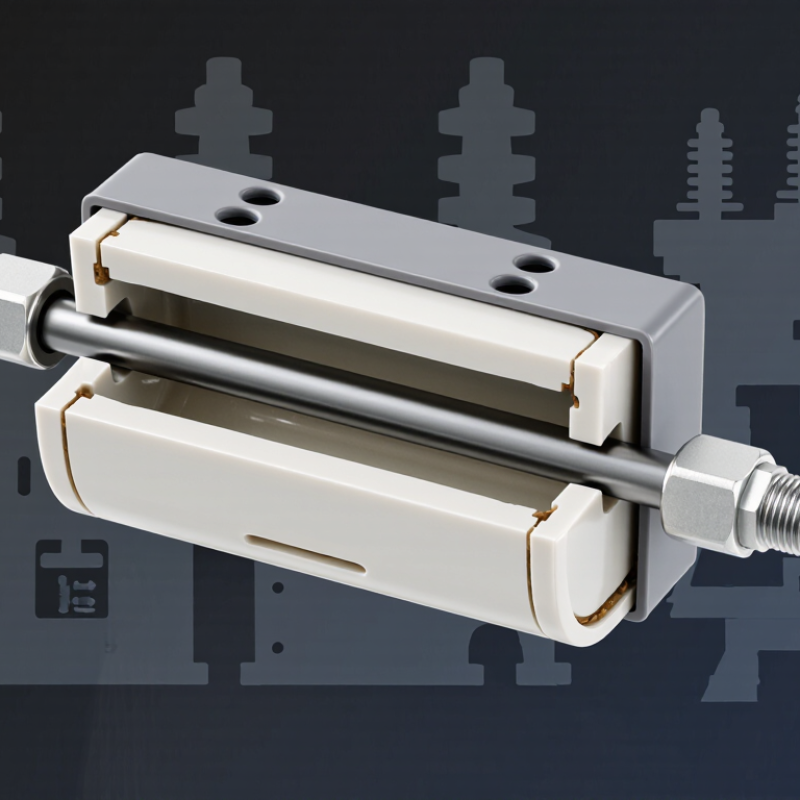
A fuse porcelain bushing is an insulating passage used in fused distribution equipment. It supports a live conductor while separating it from grounded metal and surrounding air. The porcelain body provides mechanical strength, electrical insulation, and a long surface path for leakage current. It is not the fuse. The fuse link melts during excessive current, while the bushing keeps the electrical path controlled and isolated.
During normal operation, current passes through the fuse assembly and conductor. Under a fault, the fuse link opens the circuit. The porcelain bushing must withstand heat, voltage stress, vibration, and outdoor contamination. CIGRE Technical Brochure 642 analyzed 964 transformer failures from 58 utilities. Its findings placed insulation deterioration among recurring reliability concerns, although the survey was not limited to bushings. IEC 60076-3 also emphasizes insulation coordination and withstand testing. These references show why small surface defects deserve attention. A clean surface is not proof of safety.
Tips:
Check for chips, hairline cracks, tracking marks, and loose hardware during scheduled inspections. Remove dust and salt deposits with approved methods. Measure, do not guess. Confirm the bushing’s voltage and current ratings against the equipment design. A common mistake is replacing only the fuse and ignoring a damaged porcelain body. That assumption can fail. Record inspection dates, weather conditions, and observed changes for better maintenance decisions.
What Is a Fuse Porcelain Bushing and How Does It Work?
Main Components and Their Roles
A fuse porcelain bushing combines insulation, current conduction, and overcurrent protection in one compact assembly. Its porcelain body supports the live conductor and separates it from grounded metal parts. Porcelain resists heat, weather, and surface leakage when its surface stays clean and dry.
Inside, a fuse link carries normal current through a calibrated metal element. If excessive current continues, the element heats and melts. This interrupts the circuit before damaged wiring or equipment becomes a greater hazard. The fuse holder keeps the link aligned and provides a firm electrical connection. A loose holder can create heat, even when the fuse rating appears correct.
The terminal studs connect incoming and outgoing conductors. Sealing parts limit moisture entry around these connections. Some designs include a spring or ejector mechanism, which helps separate the fuse link after operation. That visible movement makes a failed fuse easier to identify during inspection.
In practical maintenance, technicians check porcelain for cracks, tracking marks, and darkened areas. They also inspect contact surfaces for corrosion and overheating. A clean appearance is not enough. Moisture can hide beneath a gasket, and a slightly loose terminal may pass a quick visual check. I have seen simple inspections miss this issue. Torque settings, fuse ratings, and insulation tests should follow the equipment manufacturer’s instructions and applicable electrical standards. Controls should remain de-energized during servicing.
What Is a Fuse Porcelain Bushing and How Does It Work?
A fuse porcelain bushing performs two jobs inside electrical equipment. It carries current through a grounded metal wall while preventing dangerous voltage leakage. The conductor passes through the bushing’s central tube. Porcelain surrounds it with strong electrical insulation and a weather-resistant surface. Its glazed body sheds rain, dust, and salt deposits. Small ridges increase the creepage distance, which helps reduce surface tracking during wet conditions.
In a fused circuit, the bushing connects the incoming conductor to the fuse assembly. Under normal load, current flows through the metal path with limited resistance. During a fault, the fuse element melts and interrupts that path. The porcelain does not “stop” the fault current alone. It contains electrical stress and maintains separation after interruption. IEC 60137 specifies key requirements for insulated bushings above 1,000 volts, including insulation tests and temperature performance.
Field reliability deserves attention. CIGRE Technical Brochure 642 reported that bushings were associated with about 17% of surveyed transformer failures. That figure is not a prediction for every fuse installation. Still, it shows why moisture seals, torque, and thermal loading matter. A loose connection can create a hot spot near the porcelain. You may not see it immediately. Infrared inspections and insulation tests can reveal the problem earlier. The ideal diagram looks simple. Real installations are less forgiving, especially after years of pollution, vibration, and repeated fault events.
| Data Dimension | Typical Data or Specification | Function in the Bushing | How It Affects Operation |
|---|---|---|---|
| Primary purpose | Insulate an energized conductor while allowing it to pass through a grounded enclosure, tank wall, or support structure. | Creates a controlled insulating path between the conductor and the mounting surface. | Prevents flashover, leakage current, and accidental contact with grounded metalwork. |
| Main insulating material | Electrical porcelain, usually a dense ceramic based on alumina-silicate minerals and fired at high temperature. | Provides high electrical resistance, mechanical strength, and resistance to weathering and heat. | Maintains insulation performance over a wide range of outdoor temperatures and operating conditions. |
| Current-carrying conductor | Copper or aluminum conductor, selected according to the continuous current rating and connection design. | Provides the low-resistance electrical path through the porcelain body. | Limits voltage drop and heat generation during normal operation. |
| Fuse element | A calibrated fusible element connected in series with the protected circuit. | Melts when excessive current produces sufficient heat through the element. | Interrupts the circuit and limits damage caused by short circuits or sustained overcurrent. |
| Normal current range | Common equipment designs may range from several amperes to several hundred amperes; the exact rating is design-specific. | Allows the rated load current to pass continuously without melting the fuse element. | The selected rating must match the load, conductor size, ambient temperature, and coordination requirements. |
| Voltage application | Used in low-voltage and medium-voltage equipment; the rated voltage must not be exceeded. | Maintains adequate insulation between the energized conductor and grounded hardware. | Higher system voltage generally requires greater insulation distance and a suitable insulation coordination design. |
| Creepage distance | The surface distance measured along the porcelain between the energized terminal and grounded mounting hardware. | Increases the path available for surface leakage current. | Longer or profiled surfaces improve performance in humid, dusty, or polluted environments. |
| Clearance distance | The shortest distance through air between energized and grounded parts. | Reduces the likelihood of an air breakdown or arc across the insulation. | Must be sufficient for the working voltage, impulse voltage, altitude, and installation environment. |
| Porcelain surface profile | Smooth glazed surface with ribs, sheds, or skirts on many outdoor designs. | Extends the creepage path and helps water drain away from the insulating surface. | Reduces the risk of surface tracking and flashover during rain or contamination. |
| Mounting hardware | Metal flange, bolts, washers, and sealing components designed for mechanical attachment. | Secures the bushing and connects it to the grounded enclosure or support. | Correct torque and sealing are necessary to prevent mechanical stress, moisture entry, and loose connections. |
| Sealing system | Gaskets, seals, or cemented interfaces may be used at the conductor and mounting interface. | Restricts moisture, dust, and contaminants from entering the equipment enclosure. | A damaged seal can reduce insulation resistance and accelerate corrosion or tracking. |
| Heat generation | Heat is produced by conductor resistance, contact resistance, and the fuse element during current flow. | Transfers heat away from current-carrying parts while maintaining insulation integrity. | Excessive temperature can shorten service life, loosen connections, or cause premature fuse operation. |
| Fault interruption | The fuse element opens when its time-current characteristic is exceeded. | Separates the circuit electrically and helps contain the arc during interruption. | The interrupting rating must be equal to or greater than the prospective short-circuit current. |
| Common inspection points | Cracks, chips, glazing damage, contamination, corrosion, loose terminals, overheating, and degraded seals. | Identifies conditions that can reduce insulation or current-carrying performance. | Inspection should follow the equipment manufacturer’s instructions and applicable electrical safety procedures. |
| Key selection criteria | Rated voltage, continuous current, interrupting rating, insulation level, creepage, clearance, mounting dimensions, and environmental conditions. | Ensures that the bushing and fuse assembly match the electrical and mechanical requirements of the equipment. | A mismatch can cause overheating, insulation failure, nuisance operation, or unsafe fault interruption. |
Note: Electrical ratings and dimensions vary by application. Always verify the specific bushing and fuse assembly against the applicable equipment standards, installation conditions, and technical documentation.
A fuse porcelain bushing combines electrical insulation, mechanical support, and overcurrent protection. Its porcelain body separates a live conductor from grounded equipment and the surrounding air. Inside, a calibrated fuse element connects the external circuit to the protected winding or conductor. The element carries normal load current without melting. It responds when current exceeds its designed limit for a defined period.
The fuse acts fast. Excess current heats the element through resistive losses. A weak section then melts and creates an arc. Internal arc-control material helps cool and extinguish that arc, while the porcelain housing maintains insulation and contains the operation. This action isolates the fault before overheating spreads into the transformer. Proper coordination matters because a fuse that opens too quickly may interrupt harmless inrush current. A fuse that opens too slowly may allow damaging thermal stress.
IEC 60137:2017 covers insulated bushings for alternating voltages above 1,000 volts, including testing requirements for insulation performance. CIGRE Technical Brochure 642 analyzed 964 transformer failures from 72 utilities across 21 countries. Its findings highlighted bushings, insulation ageing, and moisture as important reliability concerns. Those figures support regular inspection, not blind confidence. In service, technicians check porcelain cracks, contamination, loose connections, and abnormal temperature patterns. Moisture can enter through small sealing defects. That detail is easy to underestimate. A bushing may look clean while its internal insulation is already weakening. Performance also depends on correct fuse rating, short-circuit capability, and coordination with upstream protection.
Representative current sequence for a medium-voltage fused bushing
Under normal conditions, load current passes through the fuse element inside the porcelain bushing. When a fault causes the current to rise sharply, the element heats rapidly and melts. The resulting arc is extinguished inside the fuse assembly, interrupting the circuit and limiting energy transferred to the equipment. The porcelain body provides mechanical support and electrical insulation while maintaining clearance from grounded parts.
The waveform is a representative operating illustration rather than a manufacturer-specific time-current curve. Actual interruption time depends on fuse rating, fault current, system voltage, and the fuse's published characteristics.
A fuse porcelain bushing is an insulated passage that carries a conductor through a transformer or switchgear wall. Inside, the fuse link helps interrupt abnormal current during a fault. The porcelain body separates energized parts from grounded metal and supports stable electrical clearance. Small detail. That clearance matters.
These bushings are common in distribution transformers, outdoor fuse cutouts, and medium-voltage switchgear. They also serve industrial facilities where compact protection and insulation are required. Their main benefit is dependable electrical isolation in demanding environments. Porcelain resists heat, ultraviolet exposure, and many outdoor weather conditions. Its glazed surface helps shed rain and reduce contamination buildup. A sound bushing also limits flashover risk when correctly installed. Still, porcelain is brittle. A dropped tool can create damage that remains unnoticed until electrical stress increases.
Maintenance starts with de-energizing equipment under an approved safety procedure. Technicians inspect cracks, chips, tracking marks, discoloration, and loose hardware. Dust and salt deposits should be removed with suitable, non-abrasive methods. Cleaning too aggressively can damage the glaze. Connections require correct torque, because loose terminals generate heat. Infrared scans can reveal hot joints during operation. Insulation resistance tests may identify moisture or internal deterioration. In field inspections, overlooked moisture is a recurring weakness. That issue is easy to underestimate. Records should note weather, test values, visible damage, and repair dates. A practical schedule follows site conditions, load levels, and contamination exposure, not just the calendar.