What is a Composite Isolator and Why Do You Need It?
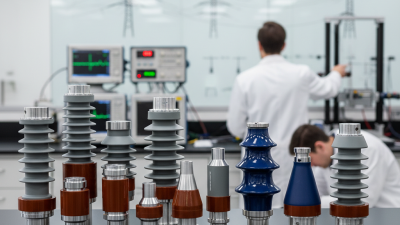
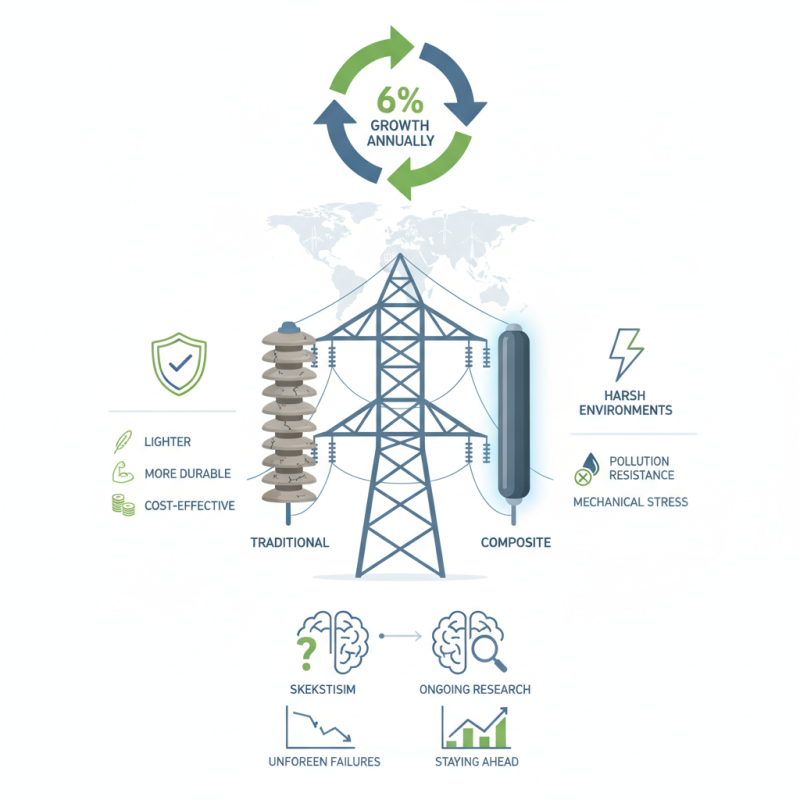
In the realm of electrical engineering, the use of a Composite Isolator is gaining traction. This innovative device plays a critical role in ensuring safety and reliability in electrical systems. According to industry reports, the global demand for advanced isolators is projected to grow by 6% annually. This surge underlines the importance of adopting cutting-edge technology in various sectors, including renewable energy and infrastructure.
The Composite Isolator combines the benefits of traditional materials with modern composites. This results in enhanced performance in harsh environments. In fact, studies indicate that composite materials can outperform standard insulators in terms of resistance to pollution and mechanical stress. However, some engineers remain skeptical about their long-term reliability, prompting ongoing research and improvements.
Despite the challenges, the advantages of using Composite Isolators are compelling. They are lighter, more durable, and often cost-effective over their lifespan. As the industry evolves, embracing such innovations becomes essential. Ignoring the benefits may lead to unforeseen failures. Thus, understanding the implications of composite technology is crucial for professionals aiming to stay ahead in this dynamic field.
What is a Composite Isolator and Its Function in Electrical Systems
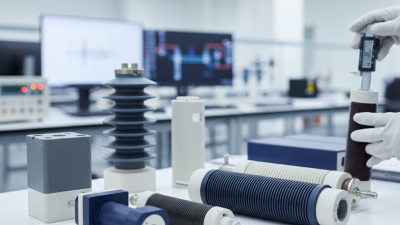
A composite isolator is a crucial component in electrical systems, providing essential functions that enhance safety and efficiency. These isolators are designed to withstand high voltages and harsh environmental conditions. They are made from advanced materials, offering superior insulation compared to traditional ceramic or glass products. According to industry reports, composite isolators can achieve a dielectric strength of up to 40 kV per millimeter. This capability makes them ideal for high-voltage applications.
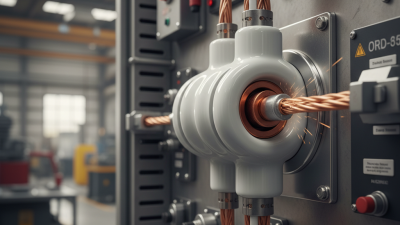
In practical terms, composite isolators serve multiple roles. They isolate electrical circuits, preventing unintended pathways for electrical currents. This isolation minimizes risks such as short circuits and electrical fires. Data from the International Energy Agency suggests that using robust isolating technology can reduce electrical failures by 30%. These isolators also have a lightweight design, simplifying installation and maintenance. Yet, it's essential to reflect on the importance of regular inspections, as environmental factors can impair their performance over time.
While composite isolators offer significant advantages, they require careful consideration during selection. Not all isolators perform equally under different conditions. It's worth noting that improper handling or installation can lead to performance issues, emphasizing the need for professional expertise. The evolution of composite isolators reflects ongoing innovation in electrical engineering, underscoring their vital role in modern power systems.
Key Components and Materials Used in Composite Isolators
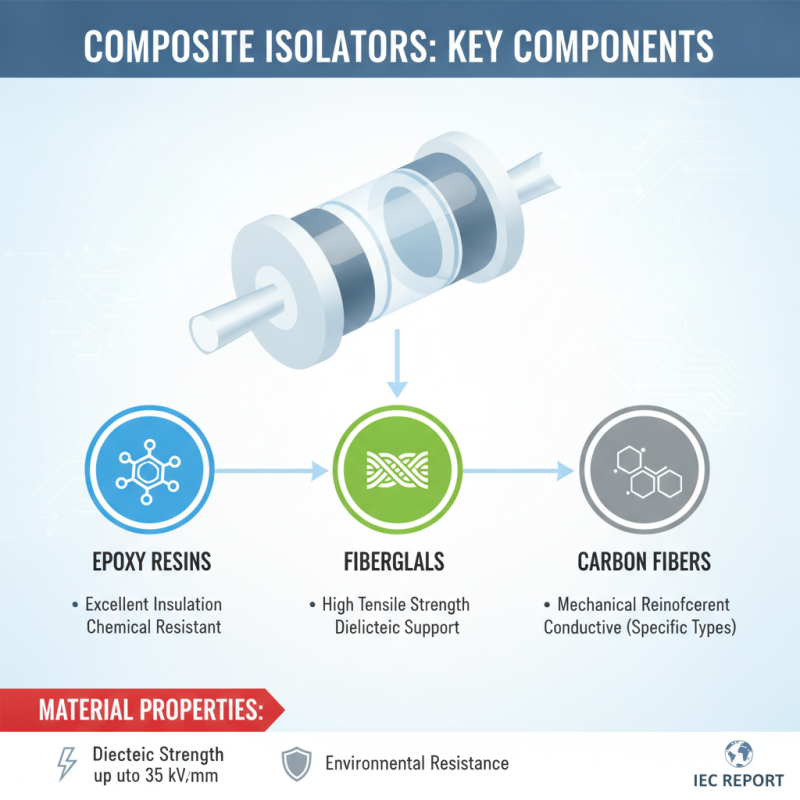
Composite isolators play a crucial role in many industrial applications. They are primarily composed of advanced materials like epoxy resins, fiberglass, and carbon fibers. These materials are chosen for their remarkable insulating properties and resistance to environmental factors. For instance, a report by the International Electrotechnical Commission highlights that composite materials can exhibit dielectric strength up to 35 kV/mm, making them suitable for high-voltage applications.
In addition to their electrical advantages, composite isolators offer mechanical strength. Fiberglass-reinforced polymer (FRP) is a widely used material in this category. A study published in the Journal of Composite Materials notes that FRP can deliver a tensile strength of approximately 600 MPa. This strength ensures the isolators can withstand operational stresses in demanding environments. The interplay of these components allows for improved longevity and reliability, which are essential for modern infrastructure.
Despite these benefits, challenges remain in optimizing performance. The bonding of different materials can sometimes lead to delamination under extreme conditions. Ongoing research aims to enhance the adhesion between layers. Additionally, environmental degradation can impact material performance over time. Understanding these issues is vital for engineers and designers who work with composite isolators. Adapting designs to mitigate these drawbacks will contribute to more resilient energy systems.
Advantages of Using Composite Isolators Over Traditional Insulators
Composite isolators are increasingly preferred in power transmission systems. These isolators are made from advanced materials, combining the strength of fiberglass with the lightness of composites. This unique construction offers significant advantages over traditional ceramic and glass insulators.
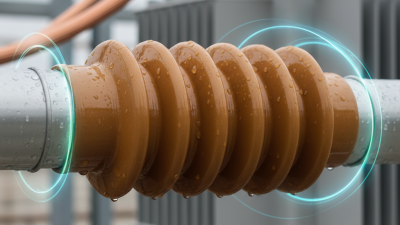
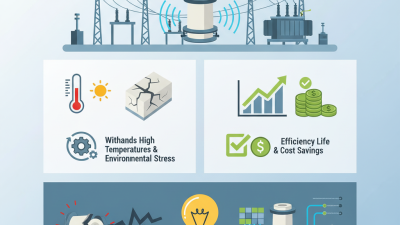
One major benefit is their resistance to environmental factors. Composite isolators are less prone to cracking and damage from UV radiation and pollution. According to industry reports, they can reduce maintenance costs by up to 30%. This is a critical factor for utilities seeking to minimize downtime and enhance reliability.
Additionally, composite isolators tend to weigh less than traditional counterparts. Their lighter weight means easier installation, which can cut down labor costs. It also results in a reduced load on supporting structures. Efficient use of materials allows for design flexibility in various applications, making them suitable for a wide range of environments.
**Tip:** Always checkload ratings when selecting isolators.
As with any technology, drawbacks exist. Some users report challenges in understanding material behavior under extreme conditions. It’s essential to evaluate operational environments thoroughly. Regular training for maintenance teams enhances competency in handling these materials effectively.
**Tip:** Consult with experts on installation practices to avoid common pitfalls.
Advantages of Composite Isolators Over Traditional Insulators
Industry Applications: Where Composite Isolators Are Essential
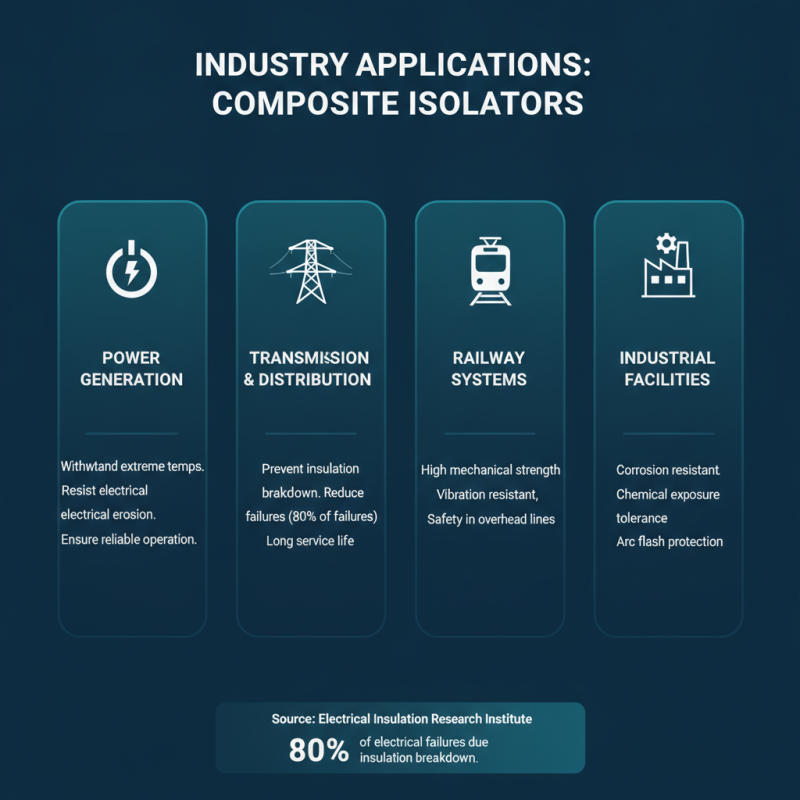
Composite isolators are pivotal in various industries due to their unique properties. In power generation, for instance, they withstand extreme temperatures and resist electrical erosion. According to a report by the Electrical Insulation Research Institute, 80% of failures in electrical systems relate to insulation breakdown. Composite isolators effectively mitigate this risk, ensuring reliable operation.
In the telecommunications sector, these isolators play a crucial role in maintaining signal integrity. They are lightweight and offer enhanced mechanical strength. The Global Telecommunications Report indicates that signal loss can reduce operational efficiency by up to 30%. By employing composite isolators, companies can enhance performance and reduce maintenance costs, proving essential in competitive markets.
Moreover, the renewable energy sector increasingly relies on composite isolators. Solar panels and wind turbines need durable isolators to optimize energy output. A study from the Renewable Energy Association highlights that 25% of renewable energy installations face issues due to inadequate insulating materials. Composite isolators ensure longevity and sustainability, making them essential in this rapidly growing field. Negative experiences with traditional isolators emphasize the need for better solutions.
Performance Metrics: Longevity and Reliability of Composite Isolators
Composite isolators are becoming increasingly popular in various industries due to their impressive performance metrics. These isolators combine materials like fiberglass and resin, offering superior longevity compared to traditional options. They withstand harsh environmental conditions better than many materials, thus extending their lifespan significantly. This makes them ideal for applications in electrical and telecommunication sectors.
Reliability is another crucial factor for composite isolators. They have remarkable resistance to weather elements and corrosion. Many users note that unexpected failures can still occur, highlighting the importance of regular inspections. Despite their durability, it is essential to monitor their performance over time. Some installations may show signs of wear earlier than anticipated. Understanding these nuances is vital for achieving optimal functionality.
When considering composite isolators, it is critical to weigh their longevity and reliability against potential maintenance needs. Investing in high-quality isolators can save time and resources in the long run. However, acknowledging that not every application guarantees perfect performance encourages organizations to adopt a proactive maintenance approach. Embracing this mindset can significantly enhance the overall effectiveness and durability of composite isolators in varied environments.