What is a Disc Composite Isolator and How Does it Work?
The Disc Composite Isolator is a crucial component in electrical systems. It ensures safety and reliability in high-voltage applications. This isolator combines the best features of composite materials. Its design aids in excellent electrical insulation and durability.
Understanding how the Disc Composite Isolator functions is essential for engineers and technicians. It operates by using an arrangement of disks that minimize electrical stress. This setup reduces the likelihood of line failures. Despite its effectiveness, challenges remain in environmental impacts and manufacturing processes.
The use of this technology can lead to better power transmission. However, it's vital to continuously assess its performance in varying conditions. Reflecting on real-world applications helps improve designs. Overall, the Disc Composite Isolator plays a critical role in modern electrical infrastructure.
What is a Disc Composite Isolator?
A disc composite isolator is an advanced electrical component used in power transmission systems. It is designed to prevent electrical current from flowing through unwanted paths. This isolator enhances system reliability and ensures safety by minimizing the risk of electrical faults. Its structure typically combines materials like polyester or epoxy with glass fibers to provide high strength and electrical insulation.
When installed, disc composite isolators effectively support conductors under various weather conditions. They can withstand extreme temperatures and humidity. These attributes make them suitable for overhead transmission lines. The insulators come in different sizes and shapes, allowing for flexibility in applications.
In practical terms, always remember to inspect isolators regularly. Damaged components can lead to severe failures. Look out for signs of wear or environmental damage. If something seems off, consider consulting an expert for evaluation. It's essential to prioritize safety in electrical systems. Proper maintenance can enhance the life of the isolators, ensuring a dependable power supply for years.
Key Components of Disc Composite Isolators
Disc composite isolators are essential components in electrical systems, providing support and electrical insulation. These isolators are made from a combination of composite materials, which enhances their performance in harsh environments. Key components of disc composite isolators include the outer housing, insulating core, and metal fittings. The housing is typically crafted from durable composites, offering resistance to corrosion and UV degradation.
The insulating core is critical; it prevents electrical leakage. This core is designed to withstand high voltage and thermal stress. The metal fittings ensure a secure connection to the electrical infrastructure. According to industry reports, the adoption of composite materials has improved the lifespan and reliability of isolators. In fact, composite insulators can last over 30 years in demanding conditions, significantly reducing maintenance costs.
Tips: Regular inspection of disc composite isolators is crucial to identify wear or damage early. Look for cracks or discoloration, which could indicate potential failure. Keeping a maintenance log can help track performance over time.
How Do Disc Composite Isolators Function?
Disc composite isolators are essential components used in high-voltage applications. They effectively prevent electrical leakage and ensure safety. These isolators combine materials like fiberglass and silicone, creating a robust structure that withstands harsh environments. Understanding their function requires examining their design and operational principles.
The performance of disc composite isolators relies on their unique construction. The composite materials provide insulation that surpasses traditional ceramics. As voltage is applied, the isolator’s design distributes electrical stress evenly, minimizing potential breakdowns. Environmental factors, such as humidity and pollution, can impact efficacy, highlighting the need for routine inspections. Balancing performance under various conditions is crucial for optimal functionality.
Achieving reliability in electrical systems involves continuous improvement. While disc composite isolators offer many advantages, their limitations cannot be ignored. Over time, wear and environmental exposure can lead to reduced insulative properties. Regular maintenance is essential to address potential degradation. This ongoing assessment ensures safety and efficiency in electrical applications.
Applications of Disc Composite Isolators in Industry
Disc composite isolators play a crucial role in various industrial applications. These devices are essential for managing electrical insulation and mechanical support. They are commonly found in power transmission systems, ensuring safety and efficiency. Their unique design combines materials that provide excellent insulating properties while maintaining mechanical strength.
In the energy sector, disc composite isolators are utilized in substations and transmission lines. They withstand harsh weather conditions, preventing failures that can lead to widespread outages. The composite materials resist environmental effects, enhancing longevity and reducing maintenance costs. Many industries have seen benefits, but improper installation can lead to problems. Always ensure that skilled personnel handle the setup.
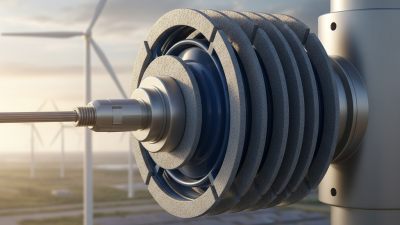
In the field of renewable energy, these isolators support wind turbines and solar installations. They help maintain system stability, which is crucial for optimizing performance. Choosing the right type for specific applications is essential; overlooking this can lead to inefficiencies. Review all specifications before selection to avoid complications. Making informed decisions can lead to significant operational improvements.
Advantages of Using Disc Composite Isolators
Disc composite isolators offer significant advantages in various applications, particularly in power transmission systems. These isolators effectively manage electrical loads and withstand demanding environmental conditions. Their design incorporates advanced materials, which create a lightweight and compact solution. This is particularly important for projects with strict space limitations.
One of the main benefits of using disc composite isolators is their high resistance to environmental factors. They can endure extreme temperatures and are resistant to moisture and pollution. This durability leads to reduced maintenance costs over time. Isolators made from composite materials often last longer than traditional options, minimizing the need for replacements.
Another advantage is their impressive electrical insulation properties. They prevent electrical leakage, thus ensuring safer operations. Effective insulation contributes to system reliability, reducing the likelihood of failures. However, these isolators may not be suitable for all environments, which requires careful consideration. While the benefits are clear, evaluating the specific needs of each application is crucial for making informed decisions.