Why Choose a Composite Isolator for Your Electrical Needs?
In the ever-evolving world of electrical engineering, the choice of components significantly impacts system performance. Leading expert in electrical isolation, Dr. Emily Carter, once stated, "The right isolator can enhance both safety and efficiency." This underscores the importance of selecting the appropriate materials for electrical needs.
The "Composite Isolator" stands out as a robust choice. These isolators offer superior durability and resistance to various environmental stresses. Their lightweight nature aids in reducing installation costs. However, some may question the initial investment compared to conventional materials. Understanding the long-term benefits can provide clarity.
In practice, many users have reported enhanced system reliability with Composite Isolators. Experience shows that their insulating qualities are often unmatched. This technology is not merely an upgrade; it is a necessity for today's demanding electrical applications. As the industry advances, reflection on choices made today will pave the way for future innovations.
Understanding Composite Isolators: Definition and Types
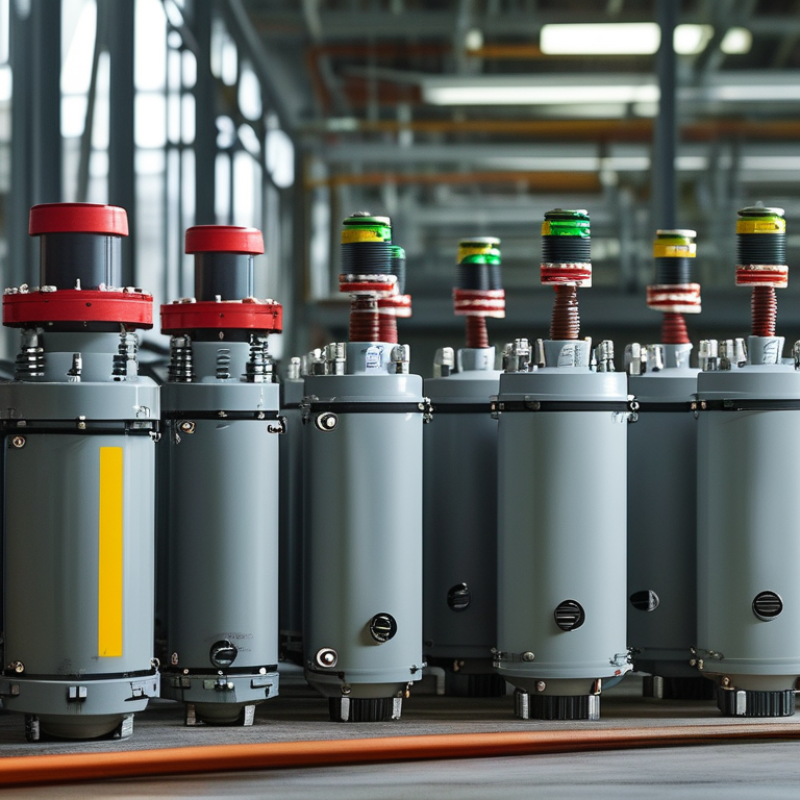
Composite isolators play a crucial role in electrical systems. They are designed to insulate electrical conductors and equipment. These isolators can withstand harsh environments and are essential in various applications, such as substations and transmission lines. Their ability to resist breakdown under high voltages makes them ideal for safety and reliability.
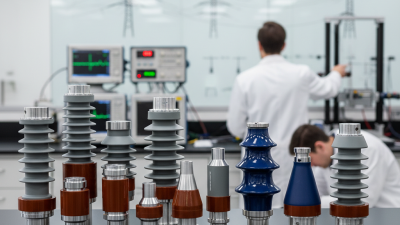
There are several types of composite isolators, each serving specific purposes. Polymer composite isolators, for instance, combine flexibility and strength. They resist UV degradation better than traditional materials. Insulator types include suspension, strain, and pin-style, catering to different installation requirements. According to industry reports, the global demand for composite isolators is projected to grow by 8% annually through 2025.
Tips: Always consider environmental factors when choosing isolators. Temperature changes can affect their performance. Regular maintenance checks can identify early signs of wear. Be aware that some isolators may require frequent inspections. Understanding your specific needs is vital for optimal performance.
In summary, composite isolators provide solutions for a wide range of electrical applications. Their innovative design meets the demands for safety and durability. However, caution is needed as improper use can lead to failures. Choosing the right type takes careful consideration and expertise.
Benefits of Using Composite Isolators in Electrical Applications
Composite isolators are becoming increasingly popular in electrical applications. These materials combine properties of various substances, such as polymers and glass or carbon fibers. This combination leads to enhanced strength, durability, and resistance to environmental factors. In fact, a recent industry report indicated that composite materials can reduce weight by up to 50% compared to traditional materials like porcelain or ceramic.
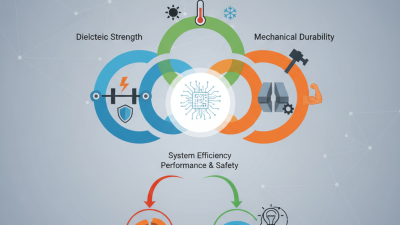
One significant benefit of composite isolators is their superior electrical performance. They exhibit excellent dielectric properties, which means they can effectively insulate against electrical currents. This leads to improved safety in electrical systems. Moreover, composite insulators are less prone to cracking and vandalism, contributing to lower maintenance costs. A study showed that using composite isolators could extend the lifecycle of electrical equipment by as much as 30%, offering significant cost savings over time.
Despite these advantages, considerations remain. Some may argue that the initial cost of composite isolators is higher than traditional options. There could also be concerns about their long-term performance under extreme conditions. Testing protocols may not be as established for new materials as they are for long-standing alternatives. Nonetheless, as the industry evolves, the potential benefits of composite isolators stand out, making them an attractive option for modern electrical systems.
Comparative Analysis: Composite Isolators vs. Traditional Insulators
Composite isolators have gained popularity in the electrical industry. When comparing them to traditional insulators, several factors come into play. Composite isolators offer superior mechanical strength and reduced weight. This makes installation easier and faster. Traditional insulators, often made of porcelain or glass, can be heavy and breakable.
One key advantage of composite isolators is their resistance to environmental degradation. They perform well under extreme weather conditions. Traditional options may suffer from cracking and weathering over time. This durability can lead to lower maintenance costs. However, costs for composite insulators can be higher upfront.
Tips: Always consider the specific environment when choosing isolators. Think about weather conditions and mechanical stress. Also, evaluate life cycle costs. Although composite isolators are more resilient, their initial expense can challenge budgets.
Another aspect to consider is installation complexity. Traditional insulators usually require more support structures. In contrast, composite isolators are lighter and can reduce material needs. Yet, this may lead to oversight in support design, resulting in potential instability.
In summary, while composite isolators present many benefits, careful evaluation of specific requirements is crucial. Balancing upfront costs with long-term benefits can provide the best value.
Key Factors to Consider When Selecting a Composite Isolator
When selecting a composite isolator, consider key factors that will impact your electrical systems. The material's durability is crucial. Composite isolators resist corrosion, which enhances their lifespan in harsh environments. This resistance is essential for installations in coastal areas or industrial settings where chemicals could compromise metal components.
Another important aspect is the electrical performance. Composite isolators provide excellent insulation properties. They can withstand high voltages while maintaining safety standards. Ensure that the isolator meets the relevant industry specifications. Review the temperature ratings as well, as extreme heat or cold can affect performance.
Pay attention to installation procedures. Improper installation can lead to potential failures. User feedback often highlights challenges when working with various types of isolators. Some may require specialized tools or knowledge. It’s worth assessing the complexity versus ease of installation. Aim for a balance between performance and practicality to ensure reliability in your electrical applications.
Maintenance and Longevity of Composite Isolators in Electrical Systems
Composite isolators have gained popularity in electrical systems due to their unique properties. One key advantage is their durability. Unlike traditional materials, composites resist environmental stressors. This resistance leads to a longer lifespan, reducing the frequency of replacements and maintenance.
Maintenance of composite isolators is relatively straightforward. Regular inspections can help identify wear over time. Even so, some users may overlook these checks, assuming durability guarantees performance. This can be a critical mistake, as neglecting maintenance could lead to unforeseen failures.
Furthermore, their lightweight nature simplifies installation. However, some professionals may hesitate, fearing that lighter materials compromise strength. Understanding the balance between weight and efficiency is vital. When used correctly, composite isolators can greatly enhance the reliability of electrical systems.