Leave Your Message

2026 Best Composite Isolator Types for Global Buyers?

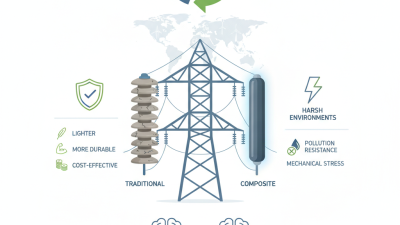
Global power networks are expanding under tighter reliability, weight, and maintenance requirements. The International Energy Agency’s Electricity 2024 report expects global electricity demand to grow by an average 3.4% annually through 2026. Much of this growth will require stronger transmission and distribution infrastructure. That demand is increasing interest in Composite Isolator solutions.

For global buyers, the right choice depends on voltage class, pollution severity, mechanical loading, and installation conditions. Silicone rubber line insulators can provide strong hydrophobic performance in coastal or industrial environments. Porcelain and glass remain familiar options, but composite designs often reduce weight and simplify handling. Station post, line suspension, tension, hollow-core, and railway types serve different applications. IEC 61109 provides an important reference for composite suspension and tension insulators. CIGRE technical publications also highlight aging, interface design, pollution performance, and field inspection as critical evaluation areas.

The comparison is not perfect. A lower purchase price may hide higher inspection or replacement costs. A premium housing material may perform poorly when the core, fittings, or sealing system is unsuitable. Buyers should request type-test evidence, factory quality records, aging data, and documented service references. The U.S. Department of Energy’s Grid Modernization Initiative reports emphasize resilience, asset visibility, and lifecycle planning rather than isolated component pricing. In practice, a buyer should examine the insulator beside its real environment: salt deposits on a coastal crossarm, dust near a cement plant, or repeated vibration on a windy corridor. No single type wins everywhere. This guide compares the leading Composite Isolator types for 2026, while recognizing that regional standards, climate, and maintenance capability can change the final decision.
2026 Best Composite Isolator Types for Global Buyers?

Composite Isolators: Definition, Structure, and Operating Principles

Composite Isolators: Definition, Structure, and Operating Principles

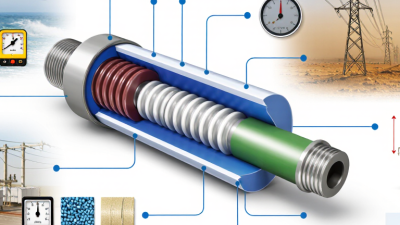
Composite isolators are outdoor electrical insulation devices made from a fiberglass-reinforced polymer core, polymer housing, and metal end fittings. The core carries mechanical tension or compression. The housing provides insulation and sheds water. The fittings connect the unit to conductors, towers, or substation equipment. The core matters.

Their operating principle combines load transfer with surface insulation. Silicone rubber sheds create a longer leakage path and help water form separate droplets. This hydrophobic surface can reduce leakage current during rain, salt, dust, or industrial pollution. However, performance depends on shed design, sealing quality, local contamination, and installation workmanship. A simple catalogue comparison is not enough.

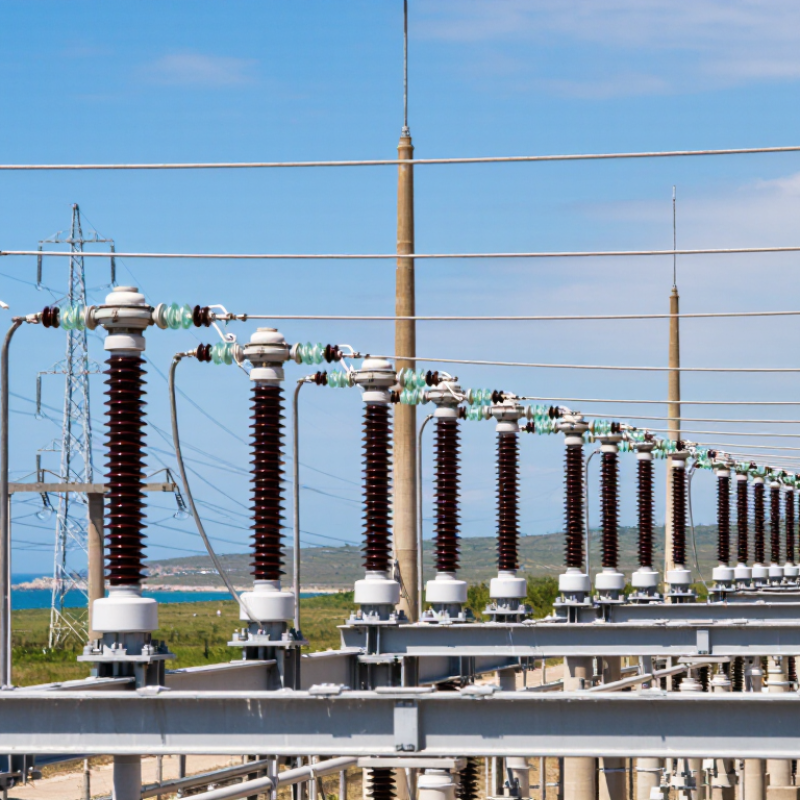
Common configurations include suspension, tension, line-post, station-post, and hollow-core types. Suspension units suit overhead lines, while post designs support busbars and switching equipment. Hollow-core units can house measurement or protection components. The best choice depends on voltage, mechanical load, altitude, pollution severity, wind, ice, and maintenance access. The 2024 International Energy Agency Electricity report projects global electricity demand to grow by about 3.4% annually through 2026, increasing pressure for dependable grid components. IEC 61109:2020 and CIGRE technical guidance provide useful testing and service references. Still, field data can reveal weaknesses that laboratory tests miss. I would not call one type universally best. Procurement teams should request ageing evidence, pollution testing, mechanical test results, and clear installation records before approving a design.

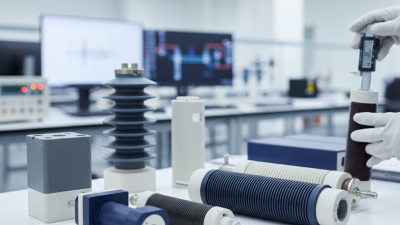
Main Types of Composite Isolators and Their Typical Applications

Composite insulators, often called composite isolators in purchasing documents, are not one universal product. For global buyers, the correct type depends on voltage, mechanical loading, pollution, climate, and installation geometry. A silicone-rubber housing over an FRP core is common for outdoor networks. EPDM designs are also used in selected environments. Material selection matters. Hydrophobic surfaces can limit contamination-related leakage, but aging, ultraviolet exposure, and poor sealing still require attention.

Suspension insulators support conductors on transmission towers and tolerate significant tensile loads. Tension or dead-end types secure conductors at line terminations, sharp angles, and river crossings. Pin and line-post types suit distribution poles, where compact construction and bending strength are important.

Station-post insulators serve busbars and outdoor switchyards. Hollow-core composite insulators and bushings are used around transformers, switchgear, and other energized equipment. Rail electrification systems may require specialized supports with strict clearance control.

A longer creepage distance is not automatically better. Buyers should compare pollution severity, altitude, temperature range, seismic conditions, conductor loads, and fitting dimensions. Standards such as IEC 61109, IEC 61952, and IEC 62217 can support a disciplined evaluation, but certificates alone do not replace application review. Field inspection often finds mismatched hardware or excessive bending at interfaces. That detail is easy to miss. I would request routine and type-test evidence, manufacturing traceability, sealing information, and installation guidance before approving a purchase. One weak assumption can shorten service life.

How to Compare Performance, Materials, and Environmental Resistance

2026 Best Composite Isolator Types for Global Buyers?

When comparing composite isolators, start with service conditions, not catalog voltage. In field inspections, silicone housings often retain hydrophobic behavior after dust and light salt exposure. Yet that advantage can fade under persistent contamination or poor washing practices. Check leakage-current data, shed profile, core sealing, and end-fitting strength. Short-circuit withstand matters too. Ask for test methods, not isolated figures.

Material selection needs practical scrutiny. Silicone rubber generally offers strong water repellency and useful tracking resistance. EPDM can perform well, but formulation and aging control deserve closer review. The fiberglass-reinforced polymer core should resist moisture ingress, bending, and brittle fracture. A small interface flaw can become a serious failure path. Request evidence from mechanical, thermal, and electrical aging tests. Laboratory results are valuable, but they cannot reproduce every coastline, desert, or industrial plume.

Environmental resistance is more than temperature range. Compare ultraviolet exposure, ozone, salt fog, chemical pollution, ice, wind, and installation altitude. Ask whether the design has been evaluated after combined stresses, not single tests only. Maintenance access also affects real performance. A product that cleans easily may outperform a stronger design in a remote substation. This is easy to overlook. My comparison sheets sometimes overvalue peak strength and undervalue sealing details. Buyers should verify local standards, lifecycle assumptions, and replacement logistics before choosing a type. No single material wins everywhere.

2026 Best Composite Isolator Types for Global Buyers? — How to Compare Performance, Materials, and Environmental Resistance

A practical comparison of common composite insulator configurations for overhead lines, substations, and electrical equipment. Values shown are typical engineering ranges and should be verified against the applicable system design and international standard.

Composite Isolator Type Typical Application Common Voltage Range Core and Housing Materials Typical Mechanical Load Pollution Performance UV and Weathering Resistance Key Advantages Main Selection Considerations Relevant IEC References
Composite Suspension Insulator Overhead transmission and distribution lines; suspension strings and tension assemblies 11–550 kV Glass-fiber-reinforced epoxy or ECR-FRP core; silicone-rubber housing and sheds; galvanized steel or aluminum end fittings Typical specified tensile ratings: 40–300 kN Excellent
Hydrophobic silicone surfaces help reduce leakage-current activity in contaminated and wet conditions.
Excellent
High-quality silicone-rubber formulations provide strong resistance to sunlight, rain, and temperature cycling.
Low weight, high tensile strength, good contamination performance, and reduced handling effort compared with equivalent porcelain strings Verify shed profile, creepage distance, corona control, end-fitting crimp quality, and specified mechanical load IEC 61109; IEC 62217
Composite Tension Insulator Dead-end, angle, and tension structures where the conductor load acts primarily along the insulator axis 11–550 kV ECR-FRP or FRP core; HTV or LSR silicone-rubber housing; forged or cast metal fittings Typical specified tensile ratings: 70–400 kN Excellent
Suitable for coastal, industrial, and heavily polluted locations when creepage and shed geometry are correctly selected.
Excellent
Silicone-rubber housing maintains surface hydrophobicity better than non-silicone polymeric surfaces.
High longitudinal strength, compact design, lower tower loading, and easier installation on difficult terrain Check dynamic and static tensile loads, bending moments at fittings, conductor hardware compatibility, and seal integrity IEC 61109; IEC 62217
Composite Line Post Insulator Distribution and transmission line support; rigid conductor support on poles, cross-arms, and compact structures 11–245 kV FRP or ECR-FRP core; silicone-rubber sheds; threaded, bolted, or clevis-type metal interfaces Typical cantilever ratings: 2–20 kN Good to Excellent
Performance depends strongly on shed spacing, creepage distance, and local contamination severity.
Excellent
Good resistance to UV exposure when the housing compound is properly formulated and tested.
Compact profile, strong resistance to vandalism, reduced tower hardware, and good performance under frequent wetting Evaluate cantilever, torsional, and combined mechanical loads; confirm interface dimensions and installation torque IEC 61952; IEC 62217
Composite Station Post Insulator Outdoor substations, busbar supports, disconnectors, instrument transformers, and switchgear structures 24–550 kV FRP or ECR-FRP rod; silicone-rubber housing; flanged aluminum, galvanized steel, or other specified metal fittings Typical cantilever ratings: 2–16 kN; higher ratings available by design Good to Excellent
Suitable for polluted outdoor substations when the leakage distance and profile are coordinated with site conditions.
Excellent
Silicone housing supports stable outdoor insulation performance under rain and solar exposure.
Lower mass than porcelain station posts, improved seismic handling, and reduced risk of brittle fracture during transport Confirm cantilever strength, short-circuit forces, mounting flatness, seismic requirements, and electrical clearances IEC 62231; IEC 62217
Composite Pin Insulator Medium-voltage overhead distribution lines and compact line construction 11–36 kV FRP or ECR-FRP reinforcing core; silicone-rubber housing; polymeric or metal pin interface Typical bending ratings: 2.5–12.5 kN Good
Generally effective in moderate to high pollution when the profile provides adequate creepage.
Excellent
Low water absorption at the surface and good resistance to outdoor weathering.
Lightweight replacement for porcelain pin units, easy handling, and good resistance to impact and vandalism Check pin thread compatibility, conductor groove dimensions, bending load, and flashover clearances IEC 61952; IEC 62217
Composite Long-Rod Insulator Transmission-line suspension and tension applications; compact tower arrangements 69–550 kV Continuous ECR-FRP or FRP core; one-piece or segmented silicone-rubber housing; high-strength metal fittings Typical specified tensile ratings: 70–300 kN Excellent
Long creepage paths and flexible shed profiles can be optimized for severe contamination.
Excellent
Silicone-rubber sheds are designed for long-term outdoor exposure and repeated wetting.
Low mass, efficient creepage-to-length ratio, good contamination performance, and simplified string assembly Review core diameter, bending protection, shed adhesion, end-fitting alignment, and corona-ring requirements IEC 61109; IEC 62217
Composite Hollow-Core Insulator Outdoor instrument transformers, cable terminations, bushings, surge arresters, and gas-insulated equipment interfaces 24–550 kV Hollow FRP tube or wound composite body; silicone-rubber external housing; metal flanges and sealed interfaces Application-specific; commonly designed for combined pressure, cantilever, and seismic loads Good to Excellent
External housing and sealing system must be designed for the pollution level and service environment.
Excellent
External silicone surfaces provide strong resistance to UV, rain, and contamination when properly maintained.
Low weight, high dielectric efficiency, easier transport, and reduced risk of explosive brittle failure Pay particular attention to gas or oil sealing, internal pressure, flange tolerances, partial discharge, and seismic qualification IEC 61462; IEC 62217
Composite Bushing Insulator Transformer, switchgear, cable, and wall-through bushings for indoor-to-outdoor or outdoor electrical connections 12–550 kV Resin-impregnated paper or resin-impregnated synthetic insulation system; silicone-rubber external housing; metal conductor and flange Electrical and mechanical ratings are application-specific; bending and terminal loads must be coordinated with equipment design Good to Excellent
External shed design and sealing quality are critical in polluted and humid environments.
Excellent
Silicone external insulation offers good resistance to UV exposure and surface contamination.
Reduced weight, improved impact resistance, flexible installation options, and lower transport risk Verify dielectric design, thermal current rating, partial-discharge limits, oil or gas compatibility, and flange sealing IEC 60137; IEC 62217
Buyer comparison notes: For a reliable selection, compare rated voltage, lightning and switching impulse withstand, creepage distance, pollution severity, mechanical load, temperature range, UV exposure, seismic requirements, corona performance, sealing quality, and type-test evidence. Creepage distance should be determined from the applicable insulation-coordination standard and the actual site pollution level rather than selected from voltage alone.

Global Standards, Testing Requirements, and Certification Considerations

For global buyers, the best composite insulator depends on voltage, pollution, mechanical load, and installation design. Suspension and tension types suit overhead lines. Line-post designs support conductors on compact structures. Station-post and hollow-core types serve substations and equipment connections. No single type performs best everywhere.

IEC 62217 provides a useful framework for polymeric insulator design and testing. IEC 61109 applies specifically to composite suspension and tension insulators for overhead lines. Buyers should review type tests for mechanical strength, power-frequency withstand, impulse withstand, tracking, erosion, and weather resistance. Salt-fog testing matters near coastlines. UV exposure matters in high-altitude or sunny regions. Factory routine tests should confirm dimensions, sealing, and mechanical integrity.

Certification is more than a logo on a document. Request accredited laboratory reports, test dates, sample identification, and clear links to the supplied design. Check whether the report covers the exact shed profile, core material, fittings, and rated load. National grid operators may require additional approval beyond international standards. A factory audit can reveal weak traceability or inconsistent assembly. I have seen specifications focus heavily on electrical ratings while overlooking transport damage and fitting corrosion. That is a real risk. Standards guide decisions, but site evidence should challenge them.

2026 Best Composite Insulator Types for Global Buyers

The chart shows standardized highest voltages for equipment (Um) commonly used when specifying composite line, line-post, and station-post insulators. These voltage levels are based on IEC 60071-1 preferred values and are procurement reference points rather than product ratings.

Buyers should verify mechanical loading, pollution severity, creepage distance, environmental exposure, and routine and design tests against IEC 62217, IEC 61109, IEC 61952, IEC 62231, and IEC 60815, as applicable. The final selection must also consider the requirements of the destination market and grid operator.

How to Select the Best Composite Isolator for Your Market and Project

2026 Best Composite Insulator Types for Global Buyers?
How to Select the Best Composite Insulator for Your Market and Project

Choosing a composite insulator starts with the grid environment, not the catalogue. The International Energy Agency’s Electricity Grids and Secure Energy Transitions report says annual grid investment must reach about USD 600 billion by 2030. That expansion increases demand for lighter, reliable insulation systems. Yet “best” changes between a coastal substation and a dry inland line.

Match the insulator to voltage, mechanical load, pollution level, and installation altitude. For high-contamination areas, specify adequate creepage distance and verify hydrophobicity retention. For overhead lines, silicone rubber housings usually offer useful pollution performance and lower handling weight than porcelain. Long-rod, suspension, post, and railway types serve different structures. Do not treat them as interchangeable. IEC 61109 provides requirements for composite suspension and tension insulators, while project testing should reflect local conditions.

Ask suppliers for type-test evidence, routine-test records, material ageing data, and fitting details. CIGRE guidance also emphasizes electrical stress, moisture ingress, corona, and interface quality. A visually smooth housing proves little. A neat specification can still fail in salt fog. I would compare field experience from similar climates, not only laboratory results. Include spare units, connector compatibility, transport limits, and maintenance access in the calculation. Some buyers focus on purchase price and overlook replacement logistics. That is an expensive weakness.