

Technical analysis of German standard casing
Definition and standard system of German standard casing
DIN sleeves specifically refer to pipe fittings that comply with German DIN standards, including core specifications such as EN 10242 and DIN 2980. Compared to national standards (GB/T) or American standards (ASME), DIN sleeves have stricter requirements for wall thickness tolerance (±0.1mm) and thread accuracy (ISO Grade 7/1), offering significant safety advantages in pressure vessel piping systems.
This certification system requires each batch of products to bear the TÜV Rheinland or PED certification mark, indicating that the material must have passed extreme temperature tests ranging from -196°C to 600°C, as well as over 100,000 dynamic load tests. A German chemical group demonstrated that the service life of German-standard bushings in highly acidic media was four times that of standard products.
Application topology in industrial scenarios
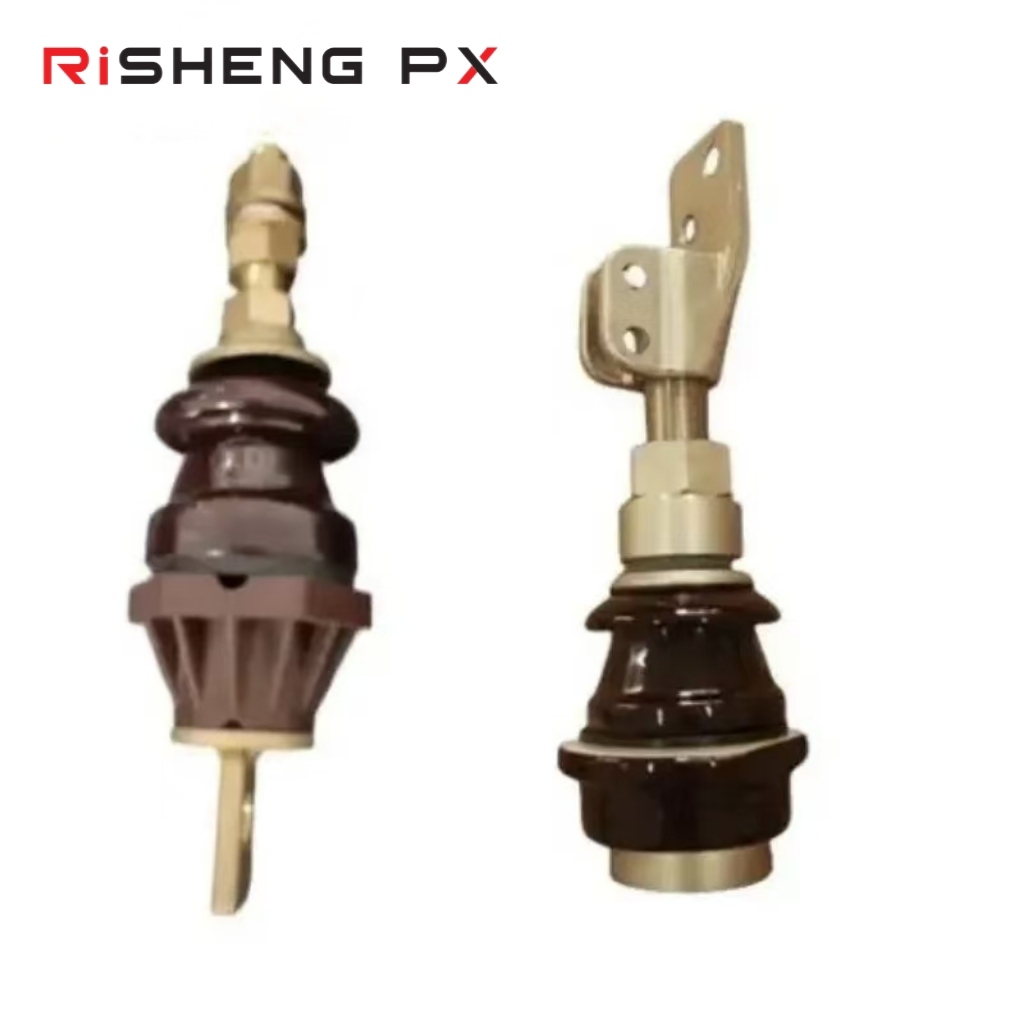
In the energy engineering sector, German-standard stainless steel casings in sizes from DN50 to DN300 are widely used in LNG storage and transportation systems. Their double-layer EPDM seal ensures zero leakage in cryogenic environments up to -162°C. A Nordic offshore platform employs specially coated casings, successfully withstanding the North Sea salt spray environment for 16 years without corrosion failure.
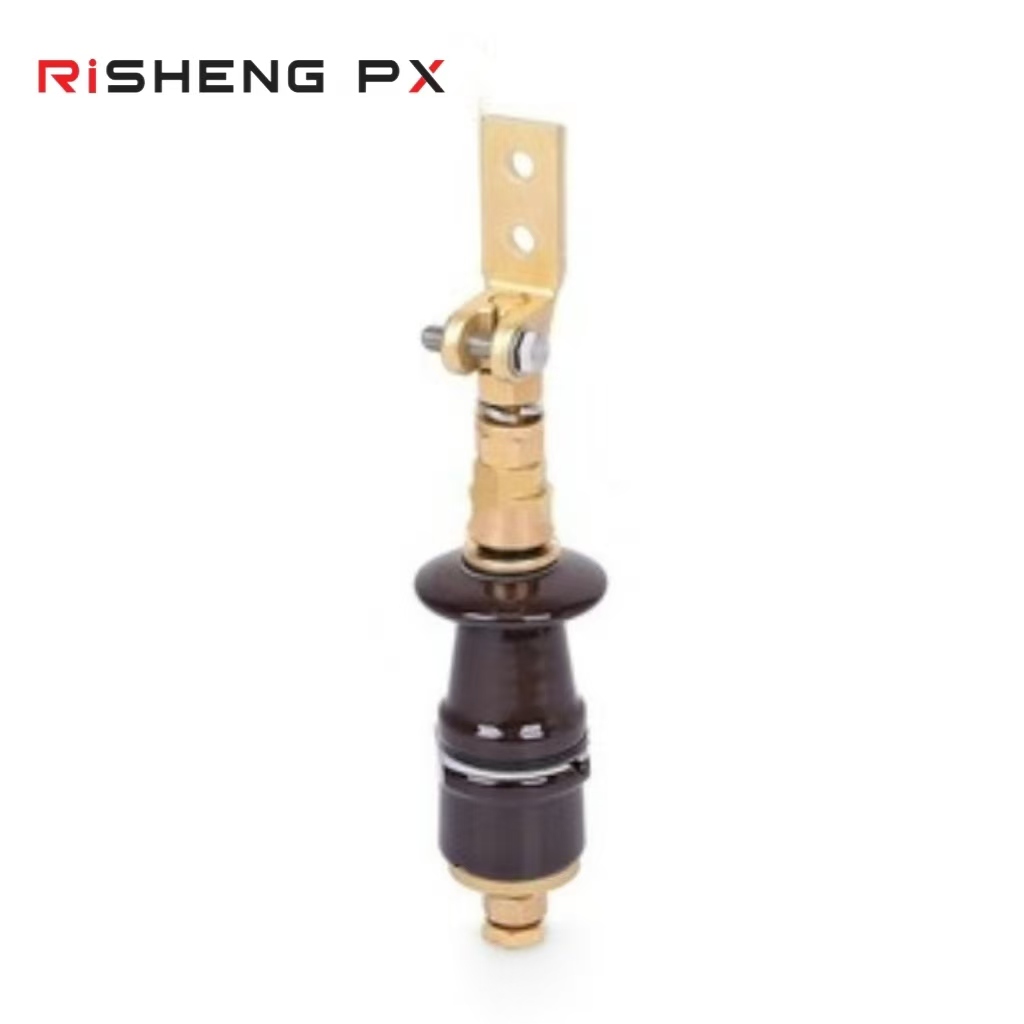
The precision machinery manufacturing industry favors high-precision cold-drawn pipe fittings, such as the 12mm ultra-thin-wall casing used in automotive hydraulic systems. The inner wall corrugation design optimized through fluid simulation reduces pressure loss to 0.02MPa/km, helping new energy heavy trucks improve energy efficiency by 5%.
Three-dimensional perspective of product advantages
In terms of material selection, the German standard mandates 316Ti stainless steel or CrMo alloy steel with a sulfur content of ≤0.002% (the national standard is 0.03%). Metallographic examinations show that the grain size of the German standard casing meets ASTM Grade 8 or higher, effectively preventing stress corrosion cracking. After upgrading to German standard products, one refinery extended its maintenance interval from 3 months to 18 months.
The structural design incorporates VDI 2230 bolt connection specifications, with a Ra 0.8μm mirror finish on the flange surface and a 60° cone seal, resulting in a pressure resistance exceeding 300 bar. Comparative experimental data shows that under equivalent operating conditions, the vibration displacement of the German standard casing is only one-third that of the American standard product.
Selection decision tree and implementation path
A multi-factor assessment model is needed to evaluate media compatibility: Hastelloy C-276 is preferred for strongly acidic environments with a pH value below 2; WC carbide lining is required for media containing solid particles. A semiconductor company used this media analysis model to select materials and improve cleanliness standards to ISO Class 3.
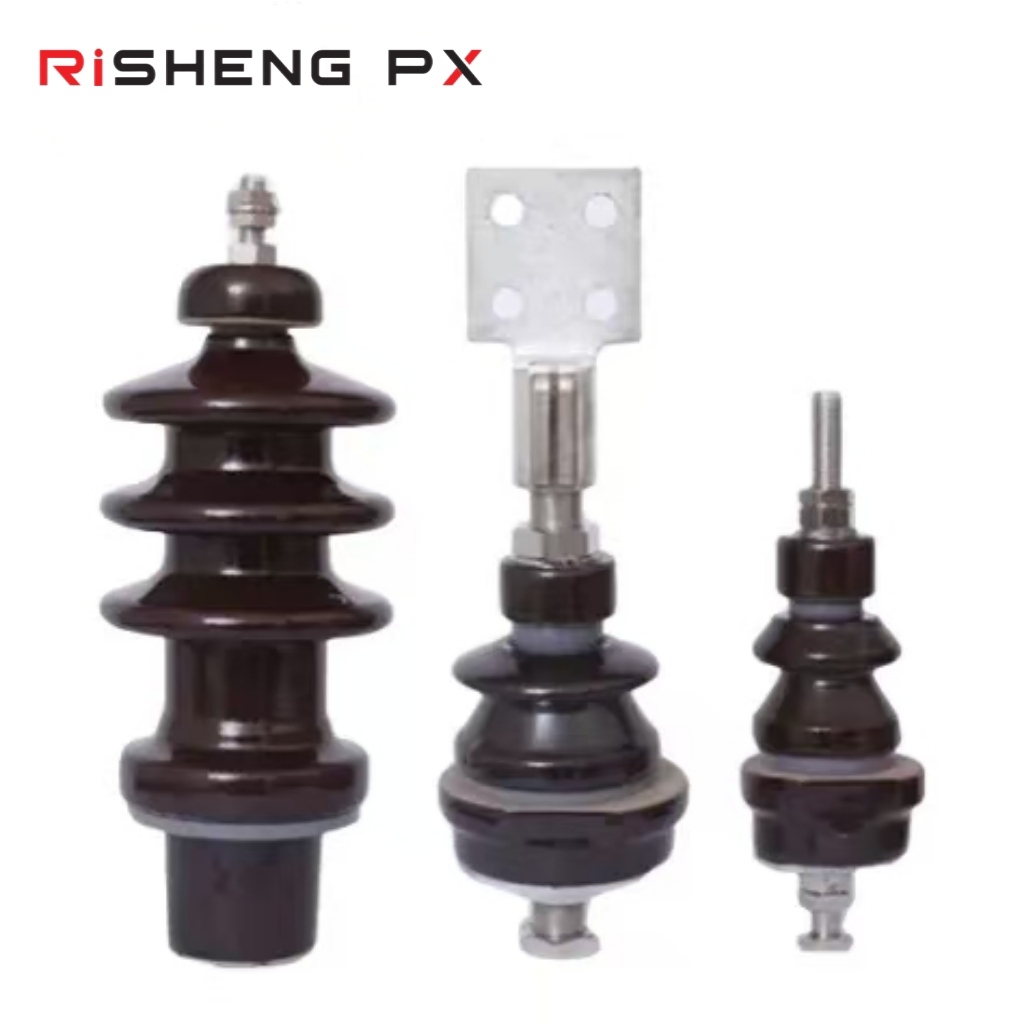
The pressure-temperature compensation coefficient should be calculated using the ASME B31.3 formula. For a 150°C steam pipe, add 0.12mm of wall thickness for every 10 bar of pressure. Practical examples show that accurate selection can reduce system energy consumption by 8% and reduce unplanned downtime by 27%.
Technological evolution and industry trends
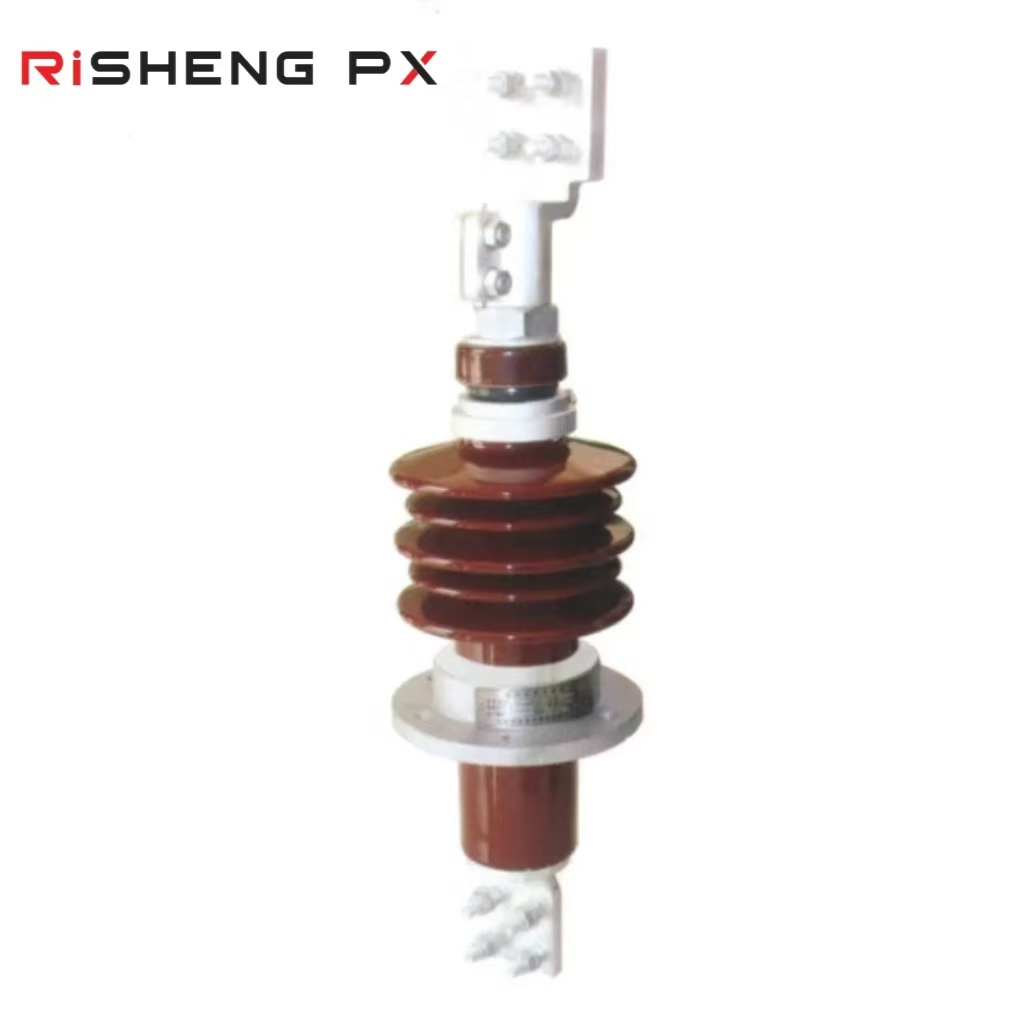
Smart bushings, based on Industry 4.0, are gaining popularity. A German company has developed an embedded sensor product that monitors strain and temperature in real time, uploading data to a SCADA system every five seconds via the Modbus protocol to enable predictive maintenance. Test data shows a 98.7% accuracy rate for fault warnings.
In terms of green manufacturing, electrolytic polishing technology has achieved a passivation film thickness exceeding 3nm on the product surface. Combined with a hydrogen-powered annealing process, the carbon footprint of a single bushing is reduced by 42%. Zero-carbon certified bushings are expected to be available by 2026, driving the EU PED Directive's evolution into a dual-control system for carbon emissions.