Leave Your Message

Top 10 Fuse Cutout Isolators for Global Buyers

Choosing the right Fuse Cutout Isolator is a practical decision for utilities, contractors, and industrial buyers. These devices protect distribution transformers and overhead lines from faults, overloads, and unsafe maintenance conditions. Yet product selection involves more than comparing price tags. Voltage class, current rating, breaking capacity, insulation strength, mounting design, and environmental resistance can change field performance.

This guide reviews ten Fuse Cutout Isolator options for global buyers. It considers verified specifications, manufacturer experience, material quality, certification evidence, and service support. Details such as hot-dip galvanized hardware, UV-resistant polymer, porcelain insulation, and corrosion-resistant contacts deserve close attention. A unit installed beside a coastal road faces different stress than one used in a dry inland substation. Small design differences matter.

Real project experience also reveals limitations. A catalog may show excellent ratings, but local climate, installation skill, and replacement-fuse availability can affect results. No shortlist is flawless. Buyers should confirm test reports, drawings, warranty terms, and applicable regional requirements before ordering. Independent inspection remains valuable when quantities are large or applications are critical. This overview offers a structured starting point, not a substitute for engineering review. It aims to help professionals compare dependable products with clearer judgment and fewer costly surprises. Some specifications still require direct confirmation from suppliers. That step should never be skipped.
Top 10 Fuse Cutout Isolators for Global Buyers

Fuse Cutout Isolators: Purpose, Design, and Operating Principles

Fuse Cutout Isolators: Purpose, Design, and Operating Principles

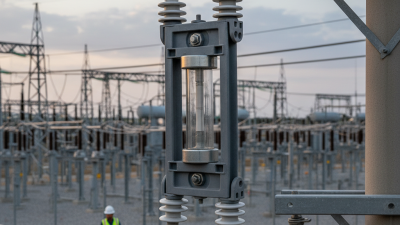
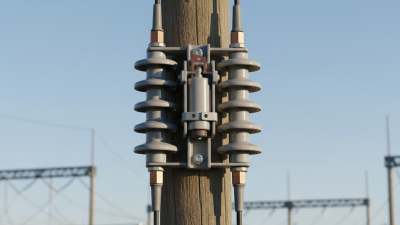
A fuse cutout isolator protects distribution equipment and provides a means of disconnection. It is commonly installed outdoors on overhead networks, where a porcelain or polymer insulator supports live components. Inside the hinged carrier, a fuse link melts when excessive current flows. This interrupts the circuit, provided the device is rated for the fault level involved. When opened, the carrier can create a visible separation from the supply. That gap helps crews confirm the circuit’s position, but it does not replace formal isolation checks. Small details matter.

Tips: Check voltage, current, insulation, and interruption ratings against the installation. Confirm that the cutout is suitable for the expected fault current. Never assume every model can interrupt normal load current; that capability depends on its design and rating. Follow the manufacturer’s instructions and site procedures.

In service, weather exposure, contamination, and loose connections can affect performance. A cracked insulator or overheated contact may be easy to miss from the ground. Qualified personnel should inspect the assembly and verify isolation before maintenance. One point deserves reconsideration during selection: a higher rating alone does not guarantee a better fit. The fuse link, system coordination, mounting conditions, and operating method must work together. There is no universal choice.
Key Types and Components of Fuse Cutout Isolators

Top 10 Fuse Cutout Isolators for Global Buyers

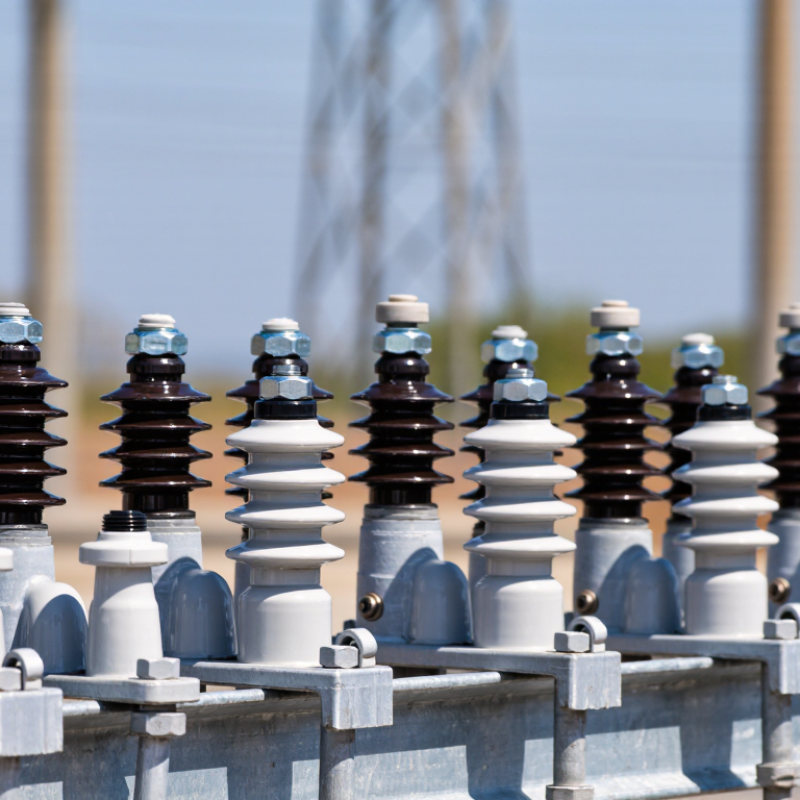
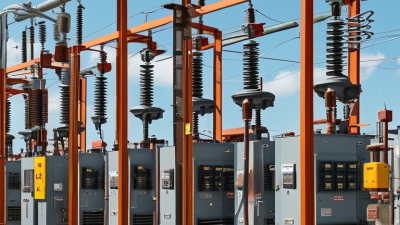
Fuse cutout isolators protect overhead distribution lines during faults and maintenance. The main types include dropout expulsion units, solid-blade isolators, current-limiting fuse combinations, and polymeric or porcelain designs. Each type suits different voltage classes, pollution levels, and switching duties.

Key components deserve closer attention. The fuse link interrupts fault current. The fuse tube controls the arc. Hinges, contacts, and terminals support safe mechanical operation. Insulators provide the required creepage distance. Mounting brackets must withstand wind, vibration, and conductor tension. IEC 60282-2 and IEEE C37.41 provide useful technical references for fuse performance and testing. The IEA Electricity Grids and Secure Energy Transitions report states that annual grid investment may need to exceed 600 billion dollars by 2030, nearly double the 2022 level. Reliable, easily maintained isolators will matter more as networks expand. Still, a perfect datasheet cannot predict every field condition.

Tips: Check rated voltage, interrupting capacity, BIL, creepage distance, and fuse-link compatibility. Confirm whether the device is load-break rated. Inspect contact pressure and corrosion resistance. A polymer housing may reduce weight, but it can age differently under ultraviolet exposure. Porcelain offers rigidity, yet handling damage remains a practical concern. Test operating torque before installation. Small details often decide whether isolation feels controlled or uncertain.

Top 10 Fuse Cutout Isolators for Global Buyers

Key Types and Components of Fuse Cutout Isolators

This chart presents ten commonly specified fuse-link current ratings used in distribution-class fuse cutout isolators. Fuse cutouts typically combine an expulsion or current-limiting fuse link, fuse carrier, hinge and contact assembly, insulators, line and load terminals, and a mechanical isolation point. Actual ratings depend on the system voltage, fault level, installation environment, and applicable IEC or IEEE requirements.

Values shown are representative current classes in amperes; they are not brand-specific product ratings.

How to Evaluate the Top 10 Fuse Cutout Isolators for Global Buyers

Evaluating the top 10 fuse cutout isolators requires more than comparing prices. Check the rated voltage, continuous current, breaking capacity, and insulation level. A 24 kV unit rated for 100 A may not suit a 200 A feeder. Confirm the fuse-link dimensions and compatibility before ordering. Small mismatches can delay installation.

Inspect the housing material closely. Porcelain offers proven strength, while polymer bodies can reduce weight and improve resistance to impact. Review creepage distance, ultraviolet resistance, and salt-fog performance for coastal or polluted sites. Ask for test reports, inspection records, and traceable serial numbers. Reliable documentation matters.

Mounting details also deserve attention. Examine bracket quality, hinge movement, contact pressure, and terminal access. The isolator should operate smoothly with a hot stick, even after dust or rain exposure. Confirm the required torque values and spare-part availability. Local technicians can reveal practical weaknesses that laboratory tests miss.

A polished datasheet is not enough. I would rank field feedback beside formal certification. One weakness remains: climate data is often incomplete. Buyers should request installation references from similar altitudes, temperatures, and pollution levels before approving the final shortlist.

Top 10 Fuse Cutout Isolators for Global Buyers - How to Evaluate the Top 10 Fuse Cutout Isolators for Global Buyers

The entries below are representative selection configurations, not a brand ranking or a list of specific products. Ratings and construction vary by manufacturer, applicable standard, and system conditions; confirm the nameplate data and test documentation for the exact model.

Configuration Typical system voltage class Common continuous-current options Typical application Key evaluation checks
1. Outdoor, single-pole, porcelain-insulated 11–12 kV class Often 100 A or 200 A, depending on design Distribution transformers and overhead feeders Rated maximum voltage, insulation level, creepage distance, and compatible fuse-link dimensions
2. Outdoor, single-pole, polymer-insulated 11–15 kV class Often 100 A or 200 A, depending on design Overhead networks where reduced weight or handling is useful UV and weather resistance, tracking performance, mounting interface, and verified insulation ratings
3. Outdoor, single-pole, higher-voltage distribution type 24–27 kV class Common designs include 100 A or 200 A options Medium-voltage overhead distribution and transformer protection System maximum voltage, impulse withstand, power-frequency withstand, and required clearances
4. Outdoor, single-pole, 36 kV class 36 kV class Check the specific design; current options vary Higher-voltage overhead distribution systems Rated voltage and insulation coordination; do not infer interrupting capacity from voltage class alone
5. Dropout-style expulsion cutout Select to match the system, commonly distribution voltage classes Depends on the cutout and fuse-link combination Visible operation and fault indication on overhead lines Mechanical operation, live-line tool compatibility, interrupting rating, and fuse-link coordination
6. Loadbreak-rated cutout Use only within the model's stated voltage and loadbreak ratings Varies by design and operating conditions Applications requiring specified load-switching capability Confirm explicit loadbreak rating and operating procedure; a standard cutout is not automatically loadbreak-rated
7. Heavy-duty or enhanced interrupting-duty design Voltage class is model-specific Check the nameplate and approved fuse-link range Locations where the available fault current calls for a higher verified interrupting rating Compare rated interrupting current with the site's calculated fault current and the required test basis
8. Transformer-protection fuse cutout Select for the primary system voltage Fuse-link ampere rating is selected for the transformer and coordination study Overhead transformer primary protection Transformer inrush, damage curve, secondary protection, and upstream/downstream coordination
9. Feeder or lateral-protection cutout Select for the feeder's operating voltage Determine from load, fault level, and protection coordination Branch circuits and overhead distribution laterals Load profile, minimum and maximum fault current, fuse time-current curves, and system grounding
10. Corrosion-resistant hardware configuration Available across multiple voltage classes; verify the exact model Model-dependent Coastal, industrial, or other corrosive outdoor environments Hardware material or coating, corrosion-test evidence, terminal compatibility, and maintenance requirements

Buyer checklist: Confirm rated maximum voltage, continuous current, interrupting rating, insulation levels, fuse-link type and range, terminal and mounting compatibility, environmental suitability, and applicable standard. IEEE C37.41 and IEEE C37.42 address high-voltage fuse testing and specifications; IEC 60282-2 covers high-voltage expulsion fuses. Check the current edition and the product's declared compliance for the intended market.

Technical Specifications, Standards, and Compatibility Factors

Top 10 Fuse Cutout Isolators for Global Buyers

Technical Specifications, Standards, and Compatibility Factors

Global electricity demand is rising rapidly. The IEA’s Electricity 2024 report forecasts approximately 4% growth in 2024. That pressure makes dependable medium-voltage protection more important for utilities, factories, and renewable projects. A practical top-ten shortlist should compare rated voltage, continuous current, interrupting capacity, insulation level, and installation environment.

Standards matter.

For outdoor fuse cutout isolators, IEC 60282-2 defines high-voltage fuse requirements, while IEC 62271-102 addresses disconnectors and earthing switches. IEEE C37.41 provides additional performance guidance for distribution-class fuse equipment. Buyers should verify whether test certificates match the exact configuration, not merely the product family. A 24 kV network may need a 27 kV class device, depending on local system design. Common options range from 100 A to 200 A continuous current, but transformer inrush and fault studies must determine suitability.

Mechanical compatibility is equally important. Check pole spacing, mounting holes, hinge direction, fuse-link dimensions, creepage distance, and terminal material. IEC 60529 ingress ratings can support enclosure comparisons, although open cutouts remain weather-exposed. Altitude, salt pollution, ultraviolet radiation, and ice loading may require derating or special hardware. I have seen technically sound selections fail because the fuse link did not fit the holder. Datasheets can hide this weakness. A field trial, torque check, and maintenance review should challenge every assumption before shipment.

Purchasing, Installation, and Maintenance Considerations for International Buyers

Top 10 Fuse Cutout Isolators for Global Buyers

International buyers should compare fuse cutout isolators by system voltage, continuous current, interrupting capacity, and environmental conditions. A catalogue rating is not enough. Check altitude, humidity, salt exposure, pollution level, and temperature range before ordering. Confirm the fuse link type and dimensions match local distribution equipment. Also request test reports, installation drawings, material details, and traceable quality records from the supplier. Small documentation gaps can become costly delays.

Installation requires trained electrical personnel and an approved isolation procedure. Mount the cutout firmly, keep the correct phase spacing, and tighten terminals to the specified torque. Inspect the contact alignment before energizing. The fuse carrier should move smoothly, without forcing. Earthing and clearances deserve careful attention. In practice, rushed installation causes more trouble than poor product selection. That is easy to overlook.

Tips: Keep spare fuse links in sealed, clearly labeled packaging. Inspect porcelain or polymer bodies for cracks, tracking, and contamination during scheduled outages. Check hot connections with thermal imaging when practical. Replace damaged hardware, not only the fuse. Record operating conditions and inspection dates. Conditions change. A unit suitable for a dry inland site may need different protection near a humid coastline. Review the original choice after the first maintenance cycle; some assumptions may prove wrong.