How to Choose the Right Fuse Cutout Isolator for Your Electrical System?
Choosing the right Fuse Cutout Isolator is crucial for any electrical system. These devices play a vital role in ensuring safety and reliability. A recent industry report highlighted that improper selection can lead to equipment failure and increased maintenance costs, which can rise by over 30%.
Understanding the specifications is essential. The right Fuse Cutout Isolator should match the system's voltage and current ratings. A mismatch can result in serious performance issues. According to the National Electrical Manufacturers Association (NEMA), more than 20% of failures stem from incorrect installations, forcing companies to reassess their choices.
In today's market, various models exist. Each offers different advantages depending on the application. The selection process requires careful consideration of environmental factors, load conditions, and expected lifespan. It's often overlooked, but this choice is a key aspect of system integrity. A well-chosen Fuse Cutout Isolator can significantly reduce downtime and unexpected costs.
Understanding Fuse Cutout Isolators and Their Purpose
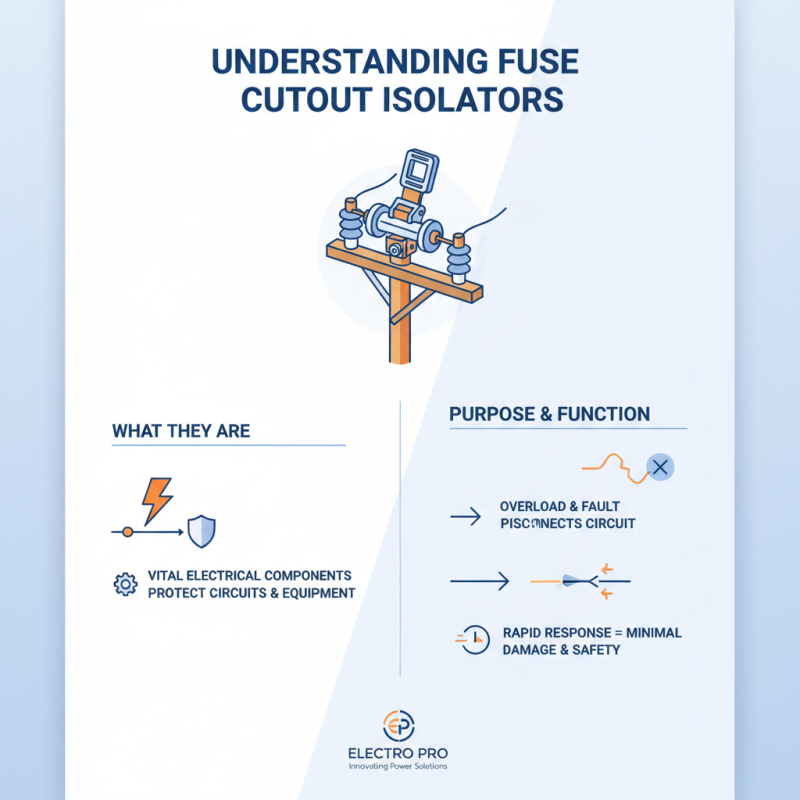
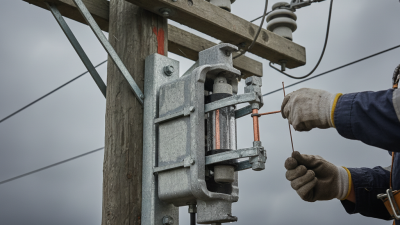
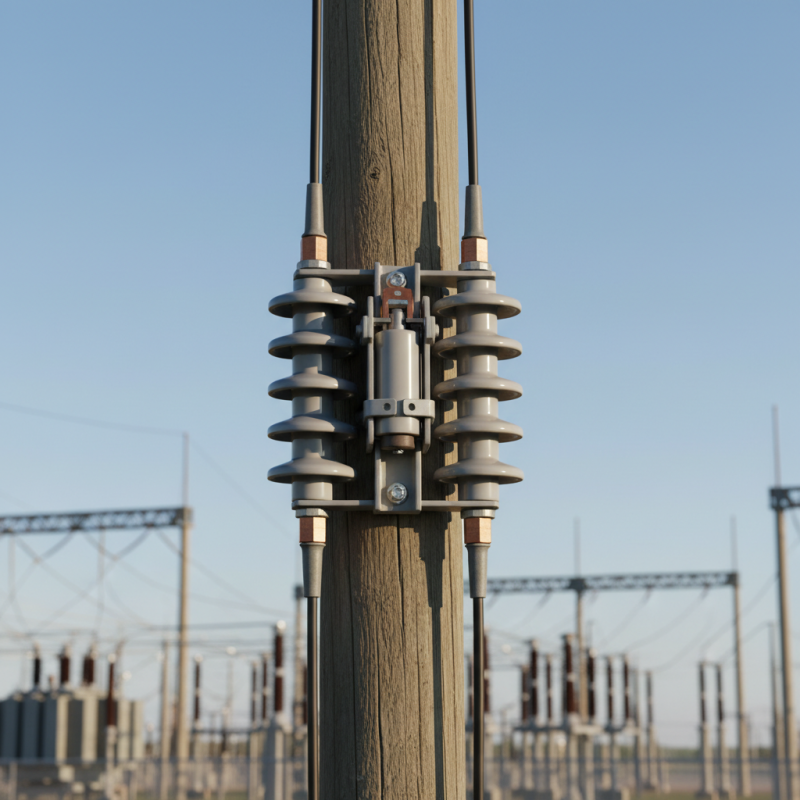
Fuse cutout isolators are vital components in electrical systems. They protect circuits and equipment from overloads and faults. When a fault occurs, the fuse element melts, disconnecting the circuit. This rapid response minimizes damage and prevents safety hazards.
Selecting the right isolator requires understanding your specific needs. Evaluate the voltage and current ratings essential for your system. Consider the environment too. Will it be exposed to harsh weather conditions? This factor can affect its longevity and performance. Not all models are created equal, and some may fall short under extreme demands.
Installation is another aspect worth contemplating. Poor installations can lead to failures, so it's crucial to follow guidelines. Take time to train personnel on proper usage and maintenance. Reflecting on past mistakes can foster better choices. Delaying decisions or opting for the cheapest option can lead to complications later. Being thoughtful and thorough in your selection process pays off in the long run.
Identifying Key Specifications for Your Electrical System
When selecting a fuse cutout isolator, identifying key specifications is crucial for your electrical system's safety and efficiency. Consider the voltage rating. It should meet or exceed your system's requirements. For example, if your electrical system operates at 15 kV, choose an isolator rated for at least that voltage. This helps prevent faults and enhances reliability.
Tip: Always check the current rating too. Make sure it matches your system's load. An underrated isolator may fail, leading to potential hazards. Regular assessment of these ratings can be essential.
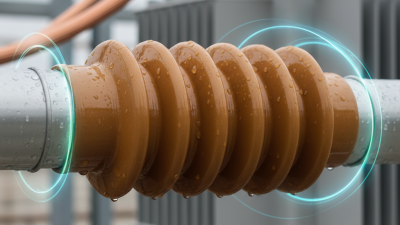
Another critical factor is the environmental rating. Enclosures designed for outdoor use should be weather-resistant. Corrosion and moisture can impact performance. Opt for isolators with materials specifically suited for these conditions. Using a subpar component might seem cost-effective initially but could lead to future failures.
Tip: Conduct periodic inspections to ensure your isolator stays in top condition. Regular checks help in spotting potential issues early and can save money in the long run. Sometimes, overlooking small details can result in bigger problems down the line.
How to Choose the Right Fuse Cutout Isolator for Your Electrical System?
| Specification |
Description |
Importance |
| Voltage Rating |
The maximum voltage that the fuse cutout can handle, typically in kilovolts (kV). |
Ensures compatibility with the electrical system's requirements. |
| Current Rating |
The maximum current the fuse cutout can support, measured in amperes (A). |
Critical for protecting electrical components from overload. |
| Short-circuit Rating |
The ability to withstand and interrupt a short-circuit fault, stated in kiloamperes (kA). |
Essential for safety during fault conditions. |
| Material |
Materials used in the construction, affecting durability and performance. |
Influences longevity and resistance to environmental factors. |
| Mounting Style |
The method of installation, such as pole-mounted or partial pole configuration. |
Affects installation ease and space requirements. |
| Operating Environment |
Conditions under which the fuse cutout will operate, including indoor/outdoor use. |
Determines material selection and protective features. |
Factors to Consider When Selecting a Fuse Cutout Isolator
When selecting a fuse cutout isolator, several crucial factors come into play. The voltage rating of the isolator should match or exceed your system's requirements. This prevents potential failures and ensures safety. Choosing an isolator with the right current rating is equally important. An undersized unit may fail to protect the system effectively.
Environmental conditions also affect the choice. If the isolator will be outdoors, ensure it has appropriate weather protection. Consider whether the area has high humidity or dust. These factors could influence your decision. Additionally, the physical size of the device is often overlooked. It must fit your installation space without compromise.
Lastly, budget plays a role, but remember to prioritize safety and reliability over cost. While lower-priced options might seem appealing, they may not offer the same level of protection. Reflect on your specific needs and long-term goals for the electrical system. Balancing cost with functionality is no easy task, but it is crucial.
Assessing Environmental Conditions Impacting Isolator Selection
Assessing environmental conditions is crucial in selecting the right fuse cutout isolator for your electrical system. High humidity can lead to corrosion. This reduces the reliability of the isolator. In fact, reports suggest that over 30% of electrical failures are related to such environmental factors.
Temperature extremes also play a significant role. Isolators exposed to high temperatures experience material degradation. This can lead to failures in operation. According to industry data, each 10°C increase can halve the lifespan of some components. Additionally, dust and pollution can accumulate, affecting insulation properties. Regular inspections are essential but often overlooked.
Consider local wildlife, too. Animals can cause physical damage. Evaluating the location is necessary for informed decisions. Each environmental aspect impacts the performance differently. Ignoring these can result in higher maintenance costs and reduced system reliability. Understanding these factors is not just about choosing an isolator; it's about ensuring long-term system integrity.
How to Choose the Right Fuse Cutout Isolator for Your Electrical System?
This chart illustrates the impact of various environmental conditions on the selection of fuse cutout isolators.
Evaluating Manufacturer Reputation and Product Reliability
Choosing a fuse cutout isolator is not just about specifications. Manufacturer reputation plays a crucial role. A trusted manufacturer often signals reliability. Look for companies with positive reviews and a solid track record. Longevity in the market usually indicates experience and credibility. Research their history, and see how they respond to customer inquiries.
Product reliability stems from quality control. Seek information on how the manufacturer tests their products. Are they following industry standards? Consider the materials used. Strong materials can withstand harsh conditions. Sometimes, lower-cost options compromise on quality. An isolator might look good but fail under pressure. Remember to weigh the cost against performance and durability. It's essential to realize that sometimes you pay for what you get. A meticulously crafted product can save money in the long run.