How to Choose a Fuse Cutout Isolator for Electrical Safety?
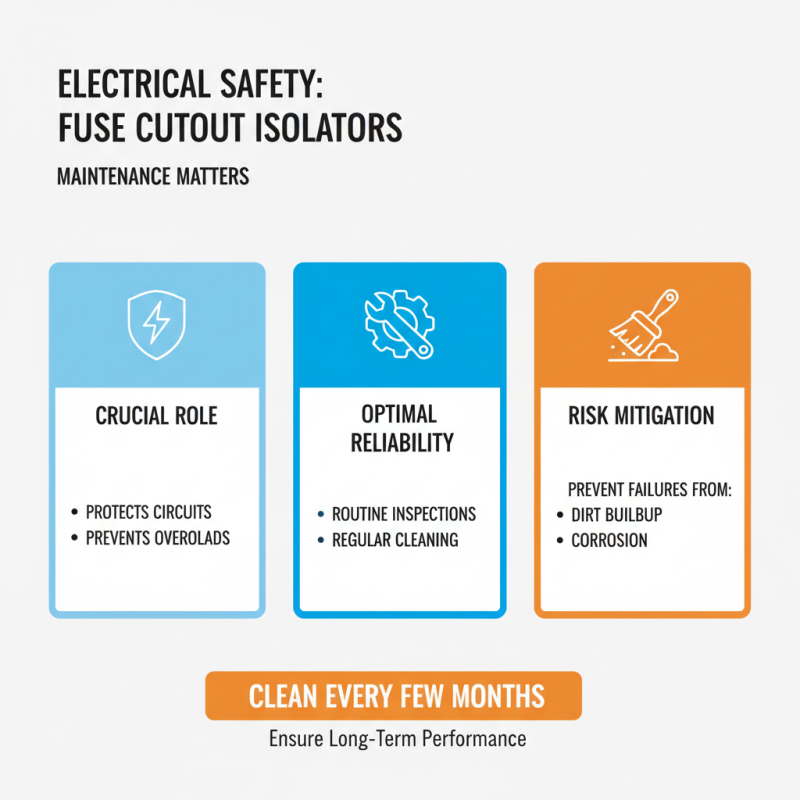
Choosing the right Fuse Cutout Isolator is crucial for electrical safety. This device plays a key role in protecting electrical circuits. It ensures that the power can be safely disconnected without risking damage or injury.
When selecting a Fuse Cutout Isolator, you need to consider several factors. The electrical load is important. Is it high? Low? Also, think about the location. Is it exposed to harsh weather? This can impact its performance.
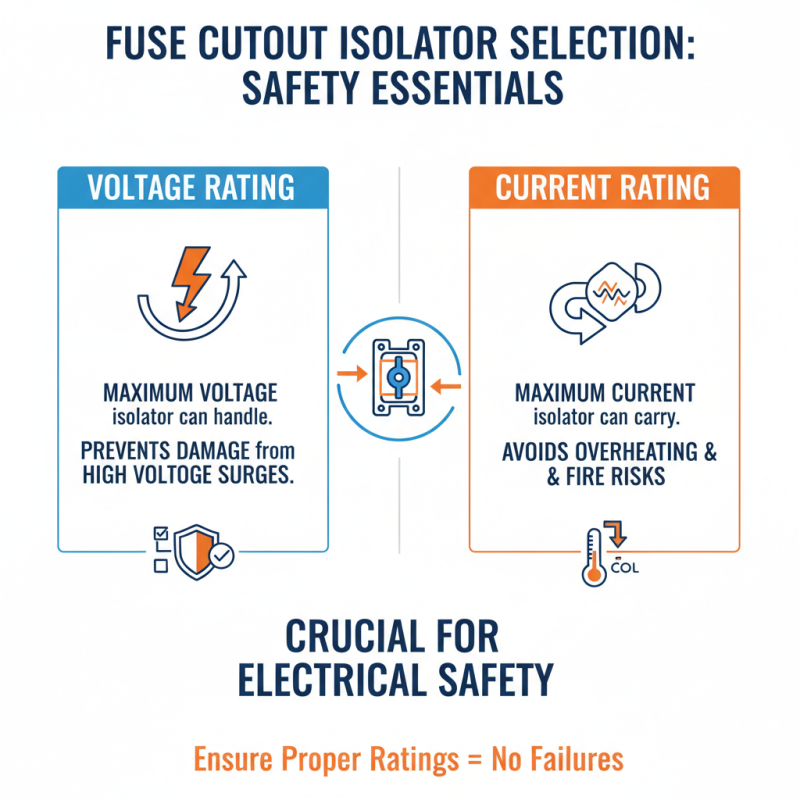
Sometimes, people overlook the need for proper ratings. Using a Fuse Cutout Isolator without a proper rating can lead to failures. You might face unexpected interruptions. Think carefully about your choices. Electrical safety should never be compromised.
Key Considerations for Selecting a Fuse Cutout Isolator
Choosing a fuse cutout isolator involves several key considerations. Proper sizing is critical. According to a report by the Institute of Electrical and Electronics Engineers (IEEE), underevaluated fuses can fail during overload conditions, leading to serious safety issues. A fuse that is too small can blow quickly, while one that is too large may not provide adequate protection.
Material selection is another major factor. The insulating materials must withstand environmental elements. The National Electrical Manufacturers Association (NEMA) highlights that insulators made from high-grade materials endure extreme temperatures. This improves reliability and performance over time. It’s important to evaluate not only the cost but also the long-term implications of material choices.
Additionally, consider the installation environment. For instance, outdoor installations may require additional protective features against moisture and UV radiation. An inappropriate choice can compromise safety and lead to failures. A 2021 survey indicated that 30% of electrical failures are due to improper installation or equipment selection. This emphasizes the need for thorough evaluation before making a decision.
Types of Fuse Cutout Isolators Available in the Market
When selecting a fuse cutout isolator, understanding the types available in the market is essential for electrical safety. Fuse cutouts are used to protect electrical systems from overloads and short circuits. They are crucial for maintaining power distribution reliability. According to industry reports, the global fuse cutout market is projected to grow significantly, driven by increasing demand for reliable power infrastructure.
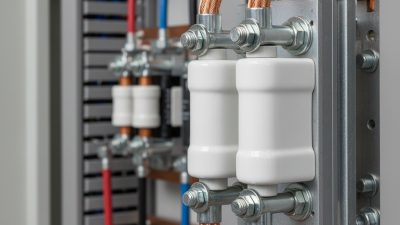
There are various types of fuse cutout isolators available. The most common include porcelain, polymer, and metal-clad cutouts. Porcelain cutouts offer excellent insulation and are widely used in outdoor applications. Polymer types are favored for their lightweight and corrosion-resistant properties. Metal-clad options provide extra durability but can be heavier.
However, it’s important to note that not all installations will suit every type. Factors like installation environment and load requirements must be considered. Overlooking these details can lead to faulty installations and increased risks. Proper data analysis and expert consultation are recommended before making a decision. A report indicated that nearly 30% of electrical malfunctions stem from improper equipment choices. Hence, carrying out thorough research is crucial for optimal safety.
How to Choose a Fuse Cutout Isolator for Electrical Safety? - Types of Fuse Cutout Isolators Available in the Market
| Type |
Rated Voltage (kV) |
Current Rating (A) |
Material |
Applications |
| Polymer Cutout |
15-36 |
100-200 |
Polymer Insulator |
Distribution Networks |
| Glass Cutout |
15-27 |
80-150 |
Glass |
Rural Electrification |
| Porcelain Cutout |
15-36 |
150-300 |
Porcelain |
High Voltage Systems |
| Automatic Cutout |
15-33 |
100-200 |
Composite Material |
Renewable Energy Integrations |
Installation Guidelines for Fuse Cutout Isolators
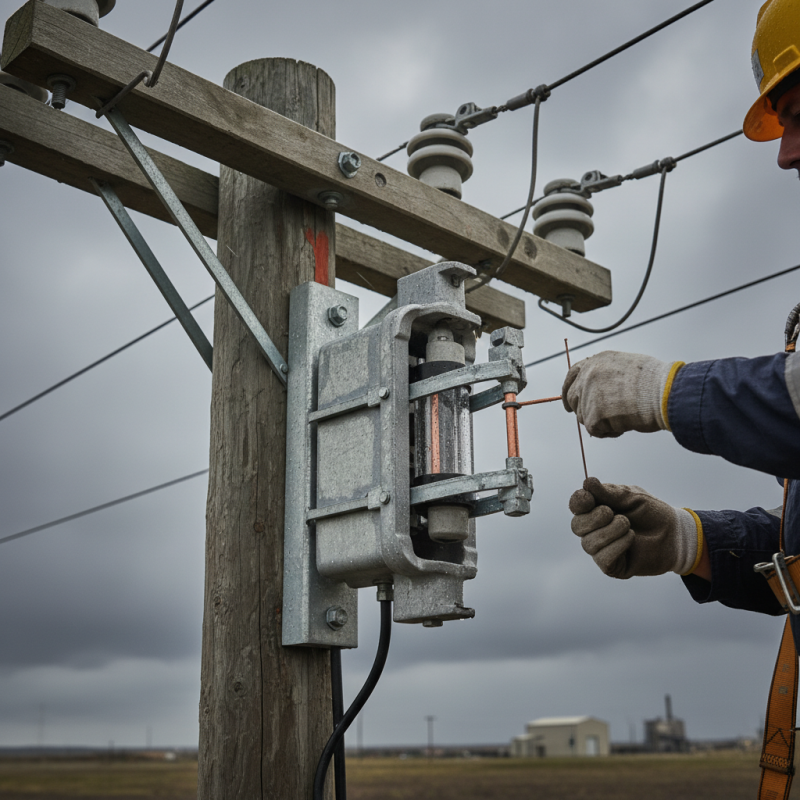
When installing fuse cutout isolators, safety should always come first. Proper installation can prevent electrical hazards and ensure system reliability. Before starting, review the manufacturer's guidelines carefully. Choose a suitable location for the isolator that is easily accessible. This enables quick action during an emergency or maintenance.
Ensure all tools and materials are on hand before installation. A secure connection between the isolator and the electrical system is essential. For outdoor installations, make sure the isolator is weatherproof. Check that all connections are tight to avoid arcing. In some cases, it might be tempting to skip steps or rush for speed. This can lead to potential failures or dangerous situations.
After installation, conduct thorough testing. Make sure the isolator operates smoothly under load conditions. Remember, it’s easy to overlook regular maintenance. Set a schedule for periodic checks to ensure long-term functionality. Reflect on these practices often. They contribute to a safer electrical environment.
Fuse Cutout Isolator Selection Criteria