How to Effectively Use a Fuse Cutout Isolator in Electrical Systems?
The Fuse Cutout Isolator plays a vital role in electrical systems. Understanding its functions and applications can enhance safety and efficiency. This device protects circuits from overloads and interruptions, allowing for maintenance without shutting down entire systems.
Using a Fuse Cutout Isolator requires careful consideration. Installation must comply with industry standards to ensure reliability. An improper setup can lead to significant hazards. Each component should be inspected regularly to avoid malfunctions, which may result in costly disruptions.
Professionals should share experiences to foster a culture of safety. Training programs focused on Fuse Cutout Isolators can be beneficial. Continuous learning about best practices ensures that operators are well-prepared for their tasks. Only through systematic knowledge can we optimize the use of this critical electrical component.
Understanding the Basics of Fuse Cutout Isolators in Electrical Systems
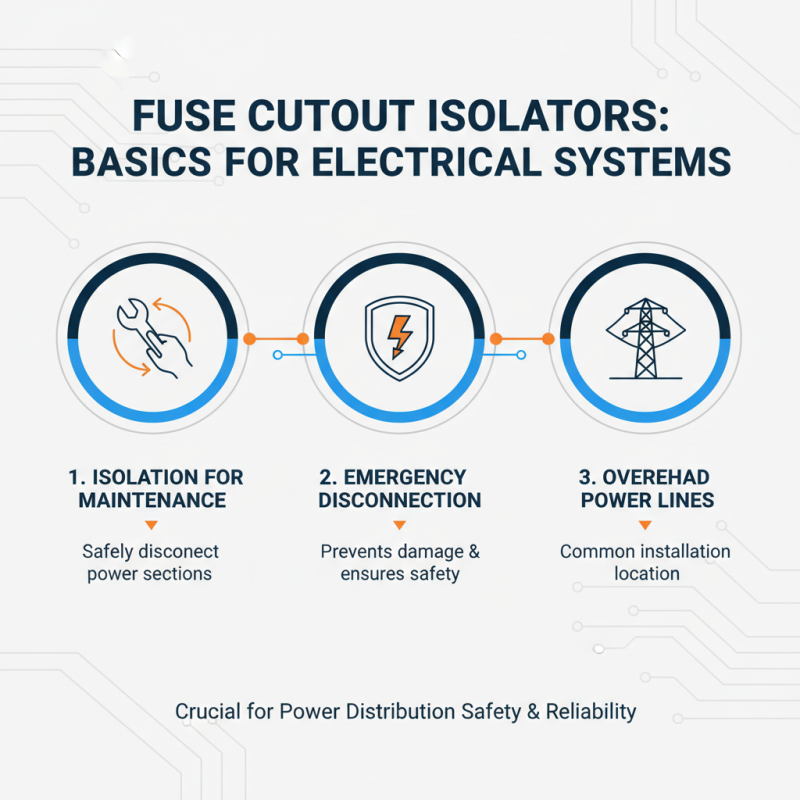
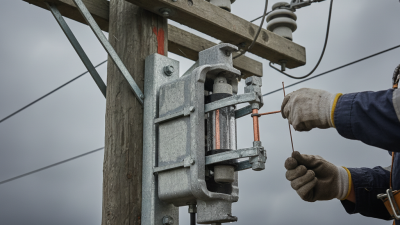
Fuse cutout isolators play a crucial role in electrical systems. They provide an effective means to isolate sections of the power supply for maintenance or in emergencies. Understanding their function is essential for safety and reliability in power distribution. These devices are typically installed in overhead power lines.
Fuse cutout isolators contain a fuse element designed to blow or disconnect during an overload. This action protects the system from damage. When the fuse operates, the cutout ensures that the faulty section is isolated from the rest. It is vital to frequently inspect these devices. A neglected cutout may malfunction during critical times.
**Tips:** Regular maintenance checks can reveal issues. Look for signs of physical damage or corrosion. Keep the area around the isolator clear of debris. Always ensure your team is trained to handle these components safely.
Effective usage of fuse cutout isolators hinges on knowledge. Ensure that their ratings match the system’s requirements. Underrating can cause failure, while overrating might lead to hazardous situations. Always document inspections and repairs for future reference. Understanding the operational limits of these devices can enhance system reliability.
Key Functions and Benefits of Using Fuse Cutout Isolators
Fuse cutout isolators serve vital roles in electrical systems. They combine the functionalities of an isolator and a fuse into one device. This dual purpose enhances reliability and safety. A report from the International Electrotechnical Commission highlights that proper isolation can reduce system downtime by up to 30%. This efficiency is crucial for both maintenance and operational continuity.
The key function of a fuse cutout isolator is to protect circuits from overloads. It quickly disconnects the line when it detects an overcurrent condition. This rapid response prevents extensive damage. According to the IEEE, systems equipped with such isolators experience a 25% reduction in failure rates. However, while these devices offer substantial benefits, they are not without limitations. Inaccurate settings or lack of maintenance can still lead to failures.
Moreover, the benefits extend beyond hardware protection. Reliable isolation improves overall system efficiency and longevity. This is essential in energy management, where efficiency gains translate into lower operational costs. Despite these advantages, it’s vital for engineers to regularly evaluate and test their performance. Some instances have shown that outdated models can pose unexpected risks. Regular audits are necessary to maintain optimal function.
Step-by-Step Guide to Installing a Fuse Cutout Isolator
Installing a fuse cutout isolator requires careful planning and execution. Begin by selecting a suitable location. It should be easily accessible for maintenance but also protected from environmental damage. Industry standards suggest keeping the isolator at least 3 feet away from conductive materials. This ensures safety and compliance with electrical codes.
When you're ready to install, ensure all power is turned off. Connect the incoming and outgoing cables securely. Reports indicate that up to 30% of electrical failures stem from poor connections. It's crucial to check tightness and continuity before powering up the system. Proper torque specifications suggested by industry guidelines can prevent such issues.
After installation, perform a thorough inspection. Check for any visible signs of wear or damage. No component should be overlooked. Regular maintenance is key in prolonging the lifespan of the isolator. Following these steps can enhance reliability and safety in your electrical systems. Nonetheless, not all installations go perfectly. Learning from mistakes is equally essential in the process.
Best Practices for Maintaining Fuse Cutout Isolators
Maintaining a fuse cutout isolator is crucial for electrical safety. Regular inspections are vital. Check for signs of wear or damage. Look for corrosion on connections or any physical deterioration. These issues can compromise performance and safety. It's essential to clean the isolator to remove dirt or debris. This small act can significantly enhance its reliability.
Testing the functionality is another key practice. Use appropriate tools to ensure the isolator operates correctly. Documenting these tests helps track performance over time. Many overlook this step. It's easy to forget, but it's essential for ongoing safety. Always ensure that the isolator operates under the specified conditions.
Training staff on best practices is equally important. Education fosters awareness about potential hazards. Encourage a culture of safety and mindfulness when working with electrical systems. Every team member should understand their role in maintenance. Frequent training sessions can elevate their knowledge and confidence. This proactive approach can lead to improved performance and longevity of the isolators.
Best Practices for Maintaining Fuse Cutout Isolators
Common Issues and Troubleshooting Tips for Fuse Cutout Isolators
Fuse cutout isolators are crucial in electrical systems, providing overcurrent protection and isolation. However, they can face common issues that require efficient troubleshooting.
One frequent problem is poor connectivity. Loose connections can lead to overheating and eventual failure. Industry reports suggest that nearly 30% of failures in electrical components stem from this issue. Regular maintenance checks are essential. Inspect connections and ensure they are tight and free from corrosion.
Another concern is environmental exposure. Fuse cutouts are often outdoors, subjected to elements. Rain, snow, or dust can cause malfunctions. According to recent studies, moisture-related failures increase failure rates by 25%. To combat this, consider installing protective enclosures.
In troubleshooting, observe visual signs, like discoloration or melting around connections. This often indicates overheating. Using thermal imaging cameras can quickly assess connection temperatures. Responding early can prevent significant issues down the line.